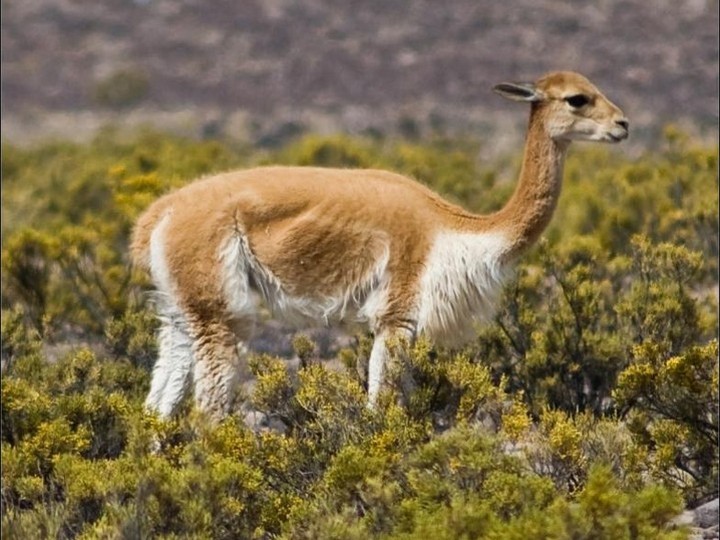
Andean vicuña fibre textile (rare wild-camelid fibre)
The world's finest fibre, shorn once every two years from a protected wild Andean camelid.
| Origin | Andes Highlands, Peru |
| Indian subcontinent | No |
| Category | Heritage Textiles & Weaves |
| Retail price band | luxury |
| Bulk / trade price band | premium (small-batch wholesale only; supply-capped) |
| Sourcing status | Dossier researched from public sources — producer contact not yet established |
| Compliance status | Preliminary review complete (see below) — not yet legally verified |
Detailed study
Vicuña fibre is harvested from Vicugna vicugna, a wild camelid living above 3,500m in the Andes, and is prized for a diameter of just 12-14 microns, making it finer and warmer than cashmere. Fibre is obtained only by live-shearing captured animals in a traditional communal round-up called the 'chaccu,' derived from Inca practice, and each animal yields under 200g of usable down every two years.
Provenance & producer
Vicuña populations and fibre rights are concentrated in the high-altitude communities of Peru (plus Bolivia, Argentina, Chile), where indigenous cooperatives under government-regulated quotas conduct the chaccu; Peru holds the largest share of the world's vicuña population and formal export licensing.
Market & pricing
Raw vicuña fibre trades at roughly USD 300-600 per kg at the cooperative level, with finished woven textiles retailing from several hundred to tens of thousands of dollars per garment at luxury houses (Loro Piana, Kiton); the buyer base is ultra-premium apparel brands, private collectors, and boutique interior textile buyers rather than mass retail.
Compliance & export
Vicuña is listed on CITES Appendix I/II depending on population and country, so international trade requires CITES export permits and proof the fibre originated from licensed live-shearing (not poaching) programmes; import into most jurisdictions also requires country-of-origin fibre certification and compliance with each source country's vicuña conservation/export quota law.
Sources
- ITC — Trade in Vicuña Fibre: Implications for Conservation
- CITES — Trade in Vicuña Fibre briefing
- Peru For Less — Vicuña Wool: The Luxurious Fabric Fit for Inca Royalty
Image status
A working reference photograph is in place, captured from a freely-licensed Wikimedia Commons source (File:Vicunacrop.jpg). Depicts the vicuña animal (fibre source), not a finished textile — usable as a provenance/species image. Verify licence on the Commons page before use. Treat this as a placeholder for marketing purposes: exact licence terms should be re-verified on the Commons file page, and original producer photography is recommended before final trade use.