Bastar wrought-iron tribal art (Lohardaga craft)
Hand-forged tribal iron, hammered into folklore by Bastar's Lohar smiths.
| Origin | The craft is correctly located in Bastar/Kondagaon, Chhattisgarh, but its traditional name is 'Loha Shilp' (wrought-iron craft) practised by the Lohar (blacksmith) tribal community, not 'Lohardaga craft' — Lohardaga is actually an unrelated district in Jharkhand state. The catalogue name appears to conflate a place name from a different state with the correct craft; it should read 'Bastar Loha Shilp (wrought-iron craft)'. |
| Indian subcontinent | Yes |
| Category | Gems, Metalwork & Craft |
| Retail price band | mid |
| Bulk / trade price band | wholesale artisan-cooperative pricing available for export lots |
| Sourcing status | Dossier researched from public sources — producer contact not yet established |
| Compliance status | Preliminary review complete (see below) — not yet legally verified |
Detailed study
Loha Shilp is produced by heating scrap and wrought iron in a charcoal forge, then hand-hammering it into thin rods and sheets that are twisted, coiled, and welded (without moulds) into tribal deities, Bastar dancers, trees of life, and animal totems. The technique is closely related to, but distinct from, Bastar's better-known Dhokra lost-wax bronze casting; iron craft is worked entirely cold-to-hot by hammer rather than cast in a mould.
Provenance & producer
Centred on Kondagaon and surrounding villages of Bastar district, Chhattisgarh, and practised hereditarily by the Lohar (blacksmith) community among Bastar's Gond and Muria tribal groups. Genuine pieces typically carry GI-adjacent 'Bastar Iron Craft' documentation from state handicraft emporiums (Chhattisgarh Hastshilp Vikas Board) rather than a formal GI tag, which currently covers Bastar Dhokra rather than the iron craft specifically.
Market & pricing
Positioned as a mid-tier collectible/decor item; retail pieces range roughly $30-$300 depending on size and complexity, with larger sculptural commissions priced higher. Buyers are typically ethnic-decor retailers, boutique hotels, and collectors of Indian tribal art; wholesale/export buyers should expect MOQs from state emporiums or registered artisan cooperatives.
Compliance & export
No CITES or precious-metal restriction applies (mild steel/wrought iron), but export listings should avoid implying a GI certification that does not yet formally exist for this specific craft, and should clearly state 'inspired by Bastar Loha Shilp tradition' with artisan/cooperative attribution to avoid misrepresenting the item as bearing an official geographical indication.
Sources
- Wikipedia: Bastar iron craft
- Cultural Heritage of India: Bastar Iron Craft
- Lunarsecstacy: Loha Shilpa / wrought iron crafts of Kondagaon
Image status
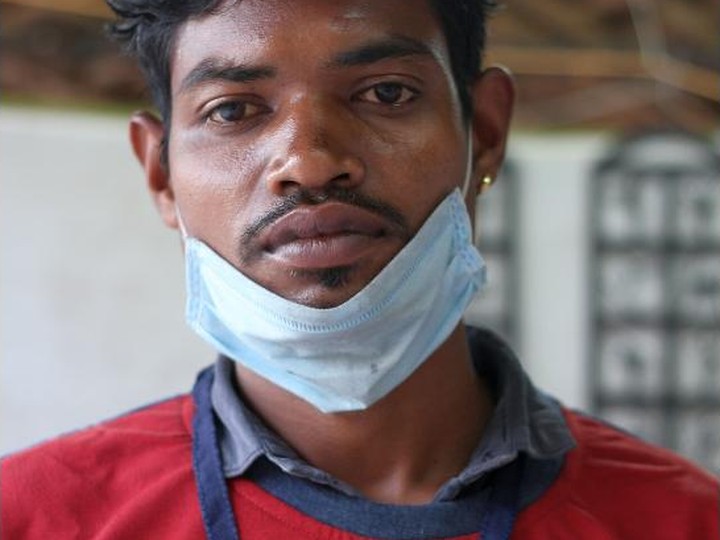
A working reference photograph is in place, captured from a freely-licensed Wikimedia Commons source. Artist from the Agariya tribe of Madhya Pradesh, a wrought iron craft artisan practicing the oldest craft of the Bastar region, Sumita Roy Dutta, CC BY-SA 4.0, via Wikimedia Commons. Note: portrait of the artisan; does not show a finished wrought-iron piece. Treat this as a placeholder for marketing purposes: exact licence terms should be re-verified on the Commons file page, and original producer photography is recommended before final trade use.