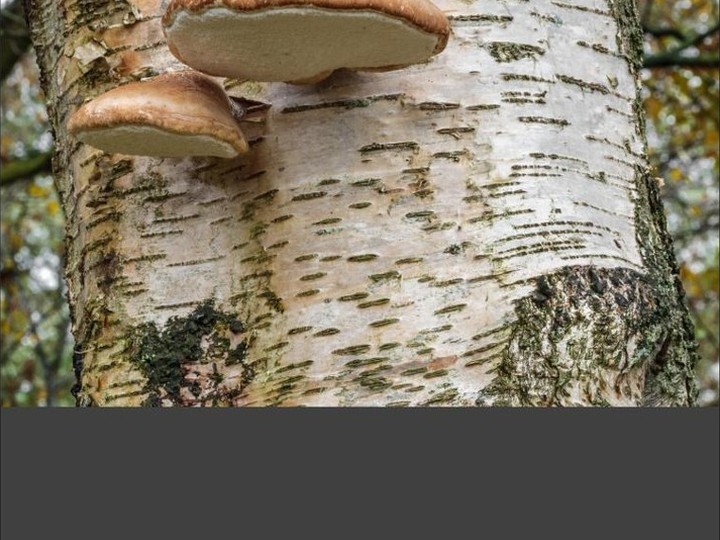
Birch polypore (Fomitopsis betulina) folk-medicine grade
The 'Iceman's fungus' — Ötzi the 5,300-year-old mummy carried birch polypore — is a common circumboreal bracket fungus with a long, well-documented Siberian and Eurasian folk-medicine tradition.
| Origin | Siberia, Russia |
| Indian subcontinent | No |
| Category | Fungi & Functional Mycology |
| Retail price band | Retail: dried/powdered birch polypore is a low-cost forageable, typically US$8–20 per 50–100g on herbal marketplaces (Etsy/specialty apothecaries), reflecting its abundance rather than scarcity. |
| Bulk / trade price band | Bulk dried folk-medicine-grade material trades in the range of roughly US$15–40/kg from European/Russian wildcrafters and herbal wholesalers — inferred from retail unit pricing and general wild-forage bulk-discount patterns; no single published wholesale index was found and this should be treated as an estimate pending direct supplier quotes. |
| Sourcing status | Dossier researched from public sources — producer contact not yet established |
| Compliance status | Preliminary review complete (see below) — not yet legally verified |
Detailed study
Fomitopsis betulina (syn. Piptoporus betulinus), the birch polypore, is a very common bracket fungus that grows almost exclusively on birch trees across the Northern Hemisphere, including extensive Siberian taiga. It is famous as one of two fungi (with Fomes fomentarius) found in the possessions of Ötzi the Iceman, suggesting millennia of folk use for wound care, as a styptic, and reportedly as an anthelmintic. Modern phytochemical interest centers on its betulinic-acid-related triterpenes and polysaccharides.
Provenance & producer
In Siberia it is traditionally hand-foraged from wild birch stands (extensive across the West Siberian Plain and Siberian taiga) by local and indigenous wildcrafters, typically as a byproduct of general forest foraging rather than a dedicated commercial harvest; supply is seasonal and dependent on birch forest access.
Market & pricing
As an abundant, non-threatened bracket fungus, birch polypore sits at the low end of medicinal-mushroom pricing compared to genuinely rare species like Agarikon; retail dried-product listings from herbal suppliers (Herbal Reality, foraging guides) place it firmly in the everyday-foraged-goods price band rather than a luxury tier — specific current wholesale figures were not found in a single authoritative source and are inferred from comparable dried-fungi retail pricing.
Compliance & export
No CITES listing, no IUCN threatened status — Fomitopsis betulina is common and not conservation-sensitive. As a folk-medicine (not clinically standardized) product, it falls under general food-supplement/herbal-product labeling rules in most jurisdictions (e.g., India's FSSAI for herbal products, EU food-supplement rules) rather than any novel-food or endangered-species framework; no specific EU Novel Food Catalogue entry was located for this species in the sources checked.
Sources
- Herbal Reality — Birch Polypore (Fomitopsis betulina): Uses, Safety & Research
- Practical Self Reliance — Birch Polypore: Identification & Uses
- The School of Wild Medicine — Medicinal uses of Birch Polypore
- Wikipedia — Fomitopsis betulina
Image status
A working reference photograph is in place, captured from a freely-licensed Wikimedia Commons source (File:Berkenzwam (Piptoporus betulinus) (d.j.b.) 02.jpg). Filed under Commons Category:Piptoporus betulinus (synonym of Fomitopsis betulina); such contributor uploads are typically CC BY-SA — verify the exact licence template on the file page before use. Treat this as a placeholder for marketing purposes: exact licence terms should be re-verified on the Commons file page, and original producer photography is recommended before final trade use.