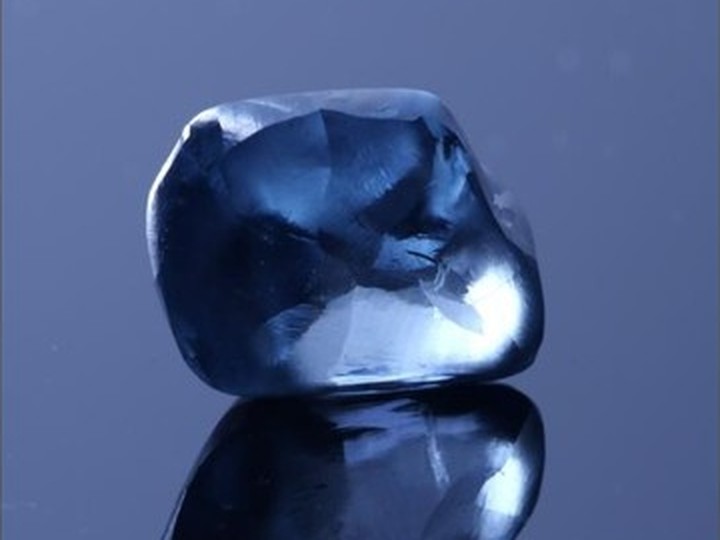
Botswana ethically-certified rough diamond
Rough-cut brilliance from the Kalahari, Kimberley Process certified stone by stone.
| Origin | Origin (Botswana) is credible — Botswana is the world's largest diamond producer by value via the Debswana joint venture. However 'ethically-certified' must not be used loosely: legitimate international trade in Botswana rough diamonds requires Kimberley Process Certification Scheme (KPCS) compliance, since Botswana is a KPCS participant, plus import licensing/permits in the destination jurisdiction. The listing should state 'Kimberley Process certified' explicitly (with the certificate number) rather than the vaguer marketing term 'ethically-certified', and should clarify this is a highly regulated commodity, not a casually tradeable curio. |
| Indian subcontinent | No |
| Category | Gems, Metalwork & Craft |
| Retail price band | luxury |
| Bulk / trade price band | sight-holder/wholesale rough-parcel pricing distinct from single-stone retail |
| Sourcing status | Dossier researched from public sources — producer contact not yet established |
| Compliance status | Preliminary review complete (see below) — not yet legally verified |
Detailed study
Rough diamonds are uncut crystalline carbon extracted from kimberlite pipes; Botswana's stones, mined principally through the Debswana joint venture (Government of Botswana and De Beers) at Jwaneng, Orapa, and Letlhakane, are known for high proportions of gem-quality material. A rough stone's value depends on the four Cs assessed pre-cutting: carat weight, colour, clarity, and expected cut yield.
Provenance & producer
Botswana is the world's largest diamond producer by value, and the government has increasingly moved rough-diamond sorting, valuation and even cutting/polishing onshore (via the Diamond Trading Company Botswana and Okavango Diamond Company) to capture more value domestically rather than exporting all rough to Antwerp/Belgium for certification.
Market & pricing
This is a luxury-tier, high-value commodity; rough diamond pricing is set per-carat against De Beers/Okavango sight pricing and varies enormously with the four Cs — a single certified rough stone can range from a few hundred to hundreds of thousands of dollars. Buyers are almost exclusively licensed diamantaires, cutting houses, and institutional/sight-holder buyers rather than general retail consumers.
Compliance & export
Any Botswana rough diamond sold internationally MUST carry a valid Kimberley Process Certificate to avoid classification as a conflict/blood diamond under the KPCS (established 2003, UN-backed); most jurisdictions additionally require an import/export licence for rough diamonds, and resale into cut-and-polished jewellery triggers further gemological grading (GIA/HRD) and disclosure obligations. This is not a casual curio-trade item — vendors must hold appropriate diamond-dealer licensing.
Sources
- Government of Botswana: Issuance of Kimberley Process Certificate
- DTC Botswana: The Kimberley Certification Process
- VOA News: Botswana joins Belgium as center for diamond certification
- Wikipedia: Okavango Blue
Image status
A working reference photograph is in place, captured from a freely-licensed Wikimedia Commons source (File:The Okavango Blue Rough.jpg). Freely licensed per Wikimedia Commons hosting policy. Depicts a unique museum-grade rough diamond specimen, not typical commercial parcel stones. Treat this as a placeholder for marketing purposes: exact licence terms should be re-verified on the Commons file page, and original producer photography is recommended before final trade use.