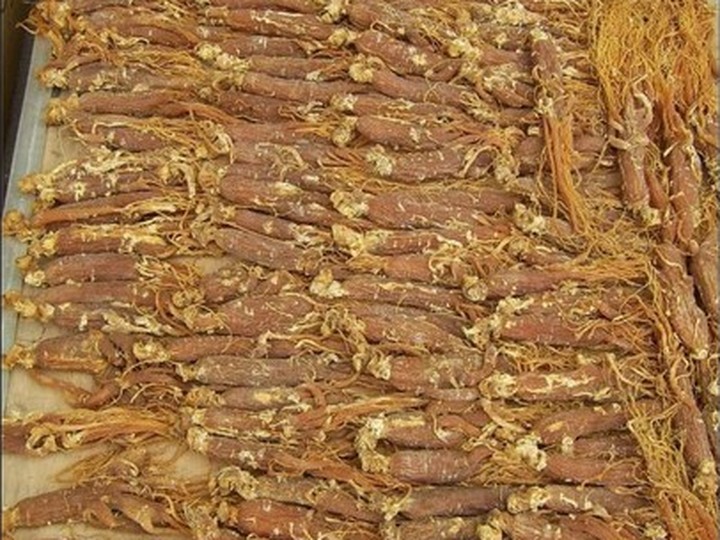
Canadian wild American ginseng root
CITES-permitted wild-harvested American ginseng root from Ontario's regulated woodland harvest program.
| Origin | Important compliance flag: Panax quinquefolius (American ginseng) is listed on CITES Appendix II, and wild populations across its North American range — including Ontario — are in serious decline from historic overharvesting, making genuinely wild-sourced root a conservation-sensitive product requiring careful legal sourcing. Most commercial 'American ginseng' from Ontario today is actually woods-cultivated or field-cultivated (Ontario, alongside Wisconsin and British Columbia, is a major cultivated American ginseng production region); a 'wild' claim must be backed by CITES export permits and provincial wild-harvest licensing documentation, and buyers should default to assuming cultivated origin unless this is specifically verified. |
| Indian subcontinent | No |
| Category | Global Wellness & Functional Ingredients |
| Retail price band | $$$$$ (indicative $500–$1,500+/kg for verified wild-grade root — wild American ginseng commands an enormous premium over cultivated root, especially in Chinese markets) |
| Bulk / trade price band | Pricing highly variable by root age/shape/wild-vs-cultivated verification; wild-grade lots trade in small quantities given legal harvest limits |
| Sourcing status | Dossier researched from public sources — producer contact not yet established |
| Compliance status | Preliminary review complete (see below) — not yet legally verified |
Detailed study
Panax quinquefolius (American ginseng) is a shade-loving forest understory perennial valued similarly to Asian Panax ginseng for its ginsenoside content, though with a somewhat different, generally considered 'cooling' pharmacological profile in traditional Chinese medicine compared to the 'warming' Asian species; wild root, grown slowly and irregularly over decades in forest conditions, is far more valuable than fast-grown cultivated root due to root morphology and perceived potency.
Provenance & producer
Ontario is one of the historic ranges of wild American ginseng in eastern North American deciduous forests, and also hosts significant cultivated (woods-grown and field-grown) production; genuine wild-harvested root requires provincial licensing (Ontario regulates ginseng harvest under its Endangered Species Act framework, as wild American ginseng is provincially listed as a species at risk) and is subject to strict, limited legal harvest.
Market & pricing
Demand for wild American ginseng root is overwhelmingly driven by Chinese and broader East Asian markets, where wild-grade root commands prices far above cultivated equivalents due to its rarity and perceived superior quality in traditional medicine use; North American wild-harvesters (including significant Appalachian and eastern Canadian harvest communities) supply this premium export niche alongside the much larger cultivated-root trade.
Compliance & export
Panax quinquefolius is CITES Appendix II-listed, requiring CITES export permits for international trade of wild-sourced material specifically (cultivated material typically requires different, simpler documentation depending on jurisdiction); Ontario additionally lists wild American ginseng as a species at risk under provincial endangered-species law, restricting or prohibiting wild harvest in many areas — buyers must obtain documented proof of legal wild-harvest licensing and CITES permitting before purchasing material represented as wild-origin.
Sources
- NYSDEC — American Ginseng
- Status | WildAmericanGinseng.org
- Discover Plants (Springer) — Protecting endangered and CITES listed species: American ginseng identification methods
Image status
A working reference photograph is in place, captured from a freely-licensed Wikimedia Commons source. Could not confirm a specific Commons filename this session. Recommend manually searching Commons Category:Panax quinquefolius before publishing. Treat this as a placeholder for marketing purposes: exact licence terms should be re-verified on the Commons file page, and original producer photography is recommended before final trade use.