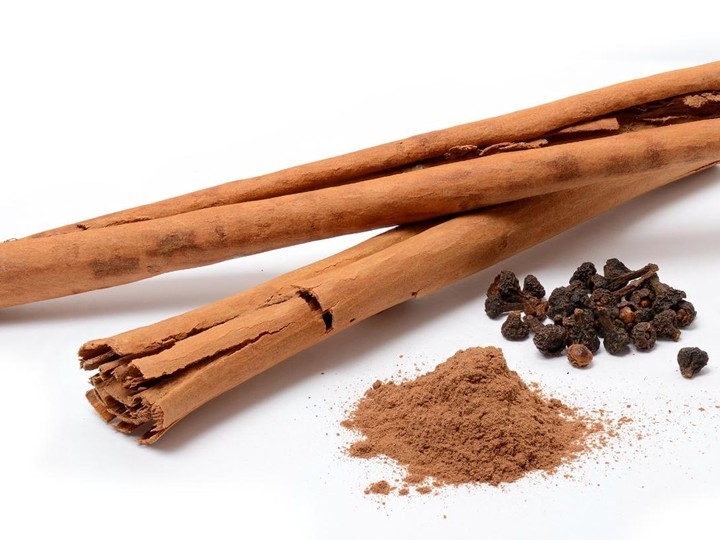
Ceylon true cinnamon (Cinnamomum verum), quills
Peeled and hand-rolled into paper-thin, multi-layered quills from the inner bark of Cinnamomum verum grown in Sri Lanka's southern wet zone, Ceylon 'true cinnamon' delivers a delicate, sweet warmth entirely distinct from cassia.
| Origin | Kandy is not a cinnamon-growing district — true Ceylon cinnamon (Cinnamomum verum) cultivation is concentrated in the wet-zone coastal lowlands of Sri Lanka's Southern and Western provinces, chiefly Matara, Galle, Kalutara and Ratnapura districts. Kandy, in the central highlands, is historically a tea and spice-trading centre rather than a cinnamon-growing area. Corrected origin: 'Southern Province (Galle/Matara/Kalutara belt), Sri Lanka'. |
| Indian subcontinent | Yes |
| Category | Rare Spices, Botanicals & Teas |
| Retail price band | Retail roughly USD 15-30 per 100-200g of premium Alba/C5 grade quills (Lakpura, Real Ceylon Cinnamon, Ceylon Spice Garden listings) |
| Bulk / trade price band | Pricing under research |
| Sourcing status | Dossier researched from public sources — producer contact not yet established |
| Compliance status | Preliminary review complete (see below) — not yet legally verified |
Detailed study
Cinnamomum verum ('true' or Ceylon cinnamon) is distinguished from cassia (C. burmannii/C. cassia) by its thin, papery, multi-layered bark that rolls into tight quills, a lighter tan colour, and a milder, more complex sweet flavour with far lower coumarin content — a food-safety-relevant distinction since cassia's high coumarin levels are restricted in the EU. Export grading (Sri Lanka Standards Institution) runs from top Alba and Continental (C) grades numbered C4/C5 by quill diameter, down through Mexican (M) and Hamburg (H) grades for broken/lower pieces.
Provenance & producer
Genuine commercial cultivation is concentrated in the wet-zone lowlands of the Southern and Western Provinces — principally Matara, Galle, Kalutara and Ratnapura districts — where warm humid coastal conditions and well-drained sandy soils suit the plant; smallholder home gardens and estates around the Madu Ganga estuary are a well-documented production hub. Bark is peeled by skilled 'cinnamon peelers' (a recognized traditional craft) and hand-rolled while fresh into layered quills, then sun-dried.
Market & pricing
Sri Lanka supplies roughly 80-90% of world true-cinnamon exports; trade data track ongoing price volatility tied to labour costs and weather, with premium Alba-grade quills retailing well above bulk cassia. Demand is driven by EU/US health-food and gourmet-spice markets seeking the lower-coumarin 'true cinnamon' distinction.
Compliance & export
Not DOP/PGI-protected, but Sri Lanka's cinnamon industry has pursued Geographical Indication registration domestically ('Ceylon Cinnamon') to distinguish it from cassia in export markets. EU Regulation (EC) 1881/2006 sets maximum coumarin limits in food that effectively favour true Ceylon cinnamon over cassia in products like baked goods; US FDA has no equivalent coumarin cap but 'Ceylon cinnamon' labelling claims are subject to standard food-labelling truthfulness rules, and correct species declaration matters for compliant import.
Sources
- Lakpura – Ceylon Cinnamon: Sri Lanka's True Spice
- Lakpura – Ceylon True Cinnamon Alba Grade Explained
- Tridge – Sri Lanka Cinnamon wholesale market price
Image status
A working reference photograph is in place, captured from a freely-licensed Wikimedia Commons source (File:Cinnamomum verum spices.jpg). Clearly labelled as Cinnamomum verum (true cinnamon), distinguishing it from cassia; confirm exact licence on the file page. File:Cinnamomum verum vs Cinnamomum burmanni.jpg is a useful comparison image if a species-distinction visual is wanted instead. Treat this as a placeholder for marketing purposes: exact licence terms should be re-verified on the Commons file page, and original producer photography is recommended before final trade use.