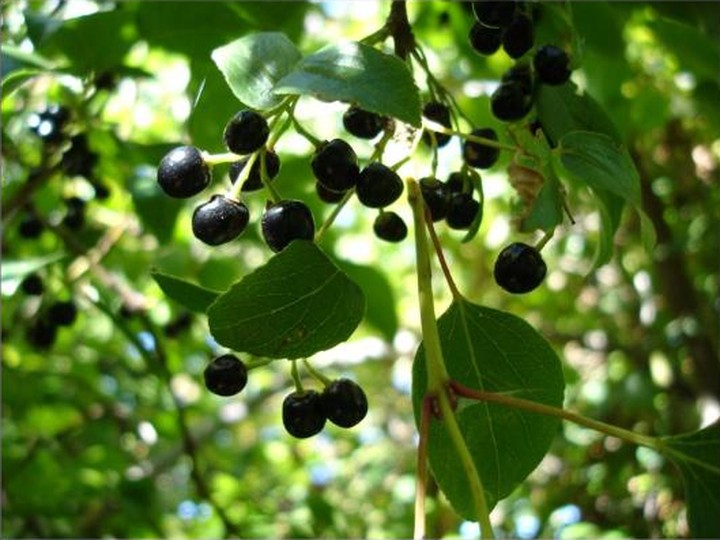
Chilean Maqui berry, wild-harvested antioxidant fruit
Deep-purple Patagonian superberry, hand-picked from wild Andean forest by Mapuche harvesters.
| Origin | Maqui's native range and wild-harvest zone runs much wider than Araucanía alone — from the Coquimbo region south to Aysén — covering roughly 170,000 hectares of Valdivian temperate forest, with harvest concentrated in Mapuche communities near the Andes. Araucanía is a genuine and significant part of that range, so frame the claim as 'Araucanía and the wider south-central Chilean forest belt' rather than Araucanía exclusively. |
| Indian subcontinent | No |
| Category | Global Rare Foods & Ingredients |
| Retail price band | $$$ (indicative $25–$45/kg for freeze-dried powder retail-adjacent pricing) |
| Bulk / trade price band | Bulk wild-harvested fresh/frozen berries: indicative $6.50–$15/kg at source; freeze-dried powder wholesale considerably higher due to processing loss |
| Sourcing status | Dossier researched from public sources — producer contact not yet established |
| Compliance status | Preliminary review complete (see below) — not yet legally verified |
Detailed study
Maqui (Aristotelia chilensis), or Chilean wineberry, is a small dark-purple berry high in anthocyanins and polyphenols, marketed internationally as a high-ORAC 'superfruit'; independent lab comparisons place its anthocyanin content solidly among antioxidant-rich berries, though not the single highest of all dark berries.
Provenance & producer
The plant grows wild across Valdivian temperate rainforest in south-central Chile and adjacent Argentina; berries are hand-picked December–March predominantly by Mapuche families near the Andes foothills, with total annual harvest only in the tens to low-hundreds of tonnes due to remote terrain and limited cultivation.
Market & pricing
Maqui entered global superfood markets in the 2010s alongside açaí and goji, sold as powder, juice concentrate and supplement capsules to North American, European and Asian health-food buyers; supply is constrained by its wild-harvest dependence, giving it a premium, limited-availability positioning.
Compliance & export
Chile regulates wild plant-product export through its agricultural and forestry services (SAG); fair-trade and organic wild-collection certification is increasingly used to support Mapuche harvester communities and verify sustainable, non-destructive picking practices. Not CITES-listed.
Sources
Image status
A working reference photograph is in place, captured from a freely-licensed Wikimedia Commons source. Maqui (Aristotelia chilensis) berries photographed in Chile, Morrana, CC BY-SA, via Wikimedia Commons Treat this as a placeholder for marketing purposes: exact licence terms should be re-verified on the Commons file page, and original producer photography is recommended before final trade use.