Cold-pressed Kumkumadi Ayurvedic facial oil
Saffron-gold Ayurvedic oil, cold-infused with 16 classical Kumkumadi botanicals.
| Origin | Kerala, India |
| Indian subcontinent | Yes |
| Category | Ayurveda & Wellness Extracts |
| Retail price band | premium |
| Bulk / trade price band | Pricing under research |
| Sourcing status | Dossier researched from public sources — producer contact not yet established |
| Compliance status | Preliminary review complete (see below) — not yet legally verified |
Detailed study
Kumkumadi Tailam is a classical Ayurvedic formulation (named for 'kumkuma', Sanskrit for saffron/Crocus sativus, its principal ingredient) traditionally prepared by cold-infusing a sesame-oil base with a decoction of 15-20+ herbs and botanicals — commonly saffron, Indian madder (manjistha), sandalwood, licorice, lodhra bark and vetiver — over a slow simmering/infusion process rather than industrial hot extraction, intended to preserve heat-sensitive actives.
Provenance & producer
The formulation and its production heritage trace to Kerala's Ayurvedic pharmacy tradition, where Kerala-style oil-preparation methods (taila-paka) and access to Western Ghats botanicals support a credible regional-origin claim; major Ayurvedic houses (Kama Ayurveda, Kerala Ayurveda) both reference Kerala-rooted formulation heritage for their Kumkumadi products, though saffron itself is not grown in Kerala and is sourced from Kashmir or Iran, so the finished oil is a Kerala-compounded product using non-Kerala-grown saffron.
Market & pricing
Positioned as a premium Ayurvedic skincare product competing in the global 'facial oil'/glow-serum category; branded 30ml bottles typically retail from roughly $20-45 depending on saffron concentration and brand positioning. Target buyers are natural/Ayurvedic beauty retailers, spa and wellness channels, and export-focused D2C skincare brands.
Compliance & export
As a topical cosmetic (not ingestible), this falls under cosmetics regulation (India: BIS/Cosmetic Rules; EU: EU Cosmetics Regulation 1223/2009 with CPNP notification; US: FDA cosmetic labelling) rather than dietary-supplement rules, requiring full INCI ingredient listing, allergen disclosure (sesame oil is a major food allergen and must be flagged), and accurate saffron-content/sourcing claims since saffron adulteration (with safflower or synthetic colourants) is a well-documented industry risk that should be tested for and disclosed.
Sources
- Kama Ayurveda: Ultimate Guide to Kumkumadi Tailam
- Ayurveda Hub: Kumkumadi Tailam Ingredients — All 16 Explained
- Kerala Ayurveda: Kumkumadi Ayurveda Oil for Glowing Skin
Image status
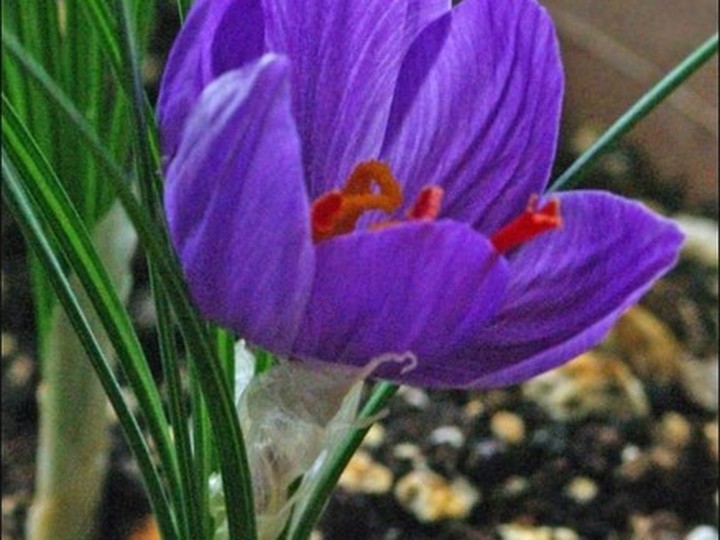
A working reference photograph is in place, captured from a freely-licensed Wikimedia Commons source (File:Crocus sativus - Saffron crocus - Safran 01.JPG). Depicts Crocus sativus (saffron), the formulation's namesake active ingredient, not the finished oil itself — used as an honest ingredient reference. Treat this as a placeholder for marketing purposes: exact licence terms should be re-verified on the Commons file page, and original producer photography is recommended before final trade use.