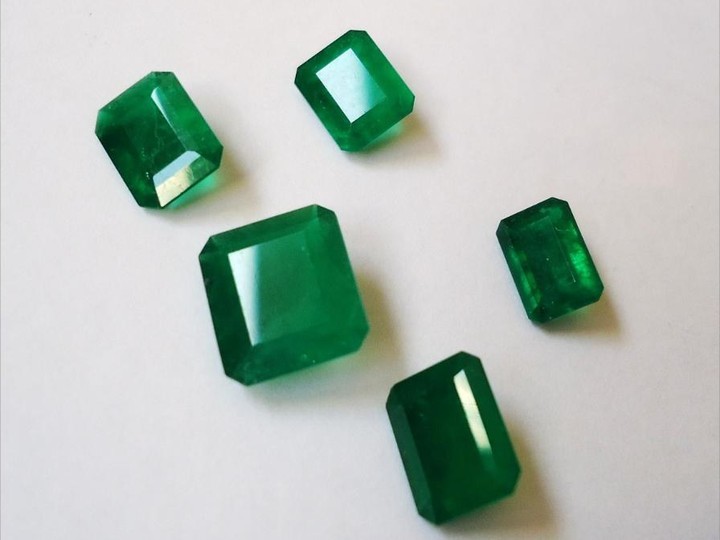
Colombian emerald, ethically-sourced loose stone
Fire-green Boyacá emerald, cut from the same veins that crowned empires.
| Origin | Boyacá, Colombia |
| Indian subcontinent | No |
| Category | Gems, Metalwork & Craft |
| Retail price band | luxury |
| Bulk / trade price band | wholesale lots priced per-carat on Colombian Emerald Grading Report (jardin/vivid classifications) |
| Sourcing status | Dossier researched from public sources — producer contact not yet established |
| Compliance status | Preliminary review complete (see below) — not yet legally verified |
Detailed study
Colombian emeralds form in hydrothermal veins within black carbonaceous shale, a geology unique among the world's emerald deposits, producing the saturated bluish-green colour and characteristic 'jardin' (garden) inclusions prized by collectors. Boyacá's Muzo, Chivor and Coscuez mines account for the majority of fine-quality Colombian rough, historically mined since pre-Columbian Muzo times and formalised under Spanish colonial rule from the 16th century.
Provenance & producer
Boyacá department, Colombia, is the historic and continuing centre of world emerald production, with Muzo Green Colombia and Fura Gems among major modern operators investing in traceability and community development programmes. Ethical sourcing claims should be backed by chain-of-custody documentation from the specific mine and a gemological report from a recognised lab (GIA, AGL, Gübelin) confirming Colombian origin.
Market & pricing
Fine Colombian emeralds command a significant premium over Zambian or Brazilian material, with vivid, minimally-treated stones trading from a few hundred to tens of thousands of dollars per carat at the top end; loose stones for this catalogue sit in the premium-to-luxury bracket. Target buyers are fine jewellery houses, gem investors, and bridal/engagement retail.
Compliance & export
Requires an independent gemological certificate stating natural origin and disclosing any clarity enhancement (most Colombian emeralds are oiled/resin-treated, which must be disclosed per CIBJO and FTC guidelines). Colombia requires export permits and mining-royalty documentation; genuine 'ethically sourced' claims should be substantiated with Kimberley-style traceability or a recognised responsible-sourcing certification (e.g. RJC) rather than asserted without evidence.
Sources
- Wikipedia: Colombian emeralds
- Pala International: The Emerald Deposits of Muzo, Colombia
- Muzo Emerald Colombia: Sustainability
Image status
A working reference photograph is in place, captured from a freely-licensed Wikimedia Commons source (File:5 Emeralds from Colombia.JPG). Freely licensed per Wikimedia Commons hosting policy — confirm exact CC licence on file page before use. Treat this as a placeholder for marketing purposes: exact licence terms should be re-verified on the Commons file page, and original producer photography is recommended before final trade use.