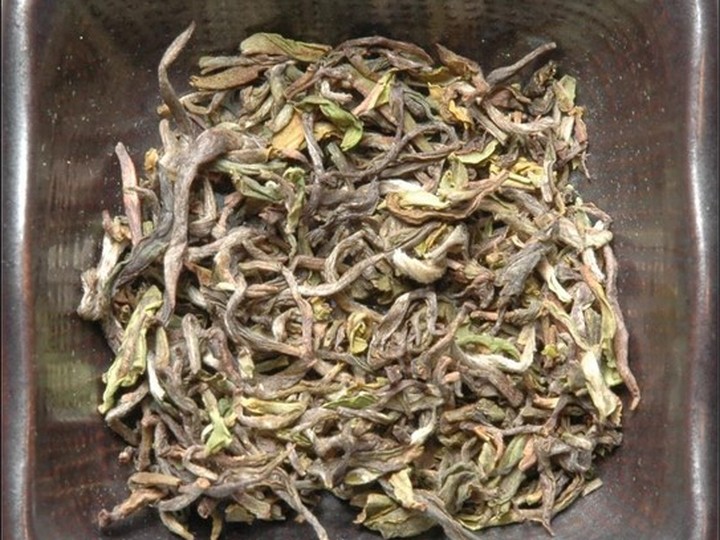
Darjeeling first-flush orthodox tea
Plucked from Camellia sinensis bushes in the first spring flush across Darjeeling's high-altitude gardens, this orthodox tea delivers the delicate muscatel character that built Darjeeling's world reputation.
| Origin | Darjeeling, West Bengal, India |
| Indian subcontinent | Yes |
| Category | Rare Spices, Botanicals & Teas |
| Retail price band | Retail: highly variable by garden and flush lot — from mass-market orthodox tea around Rs 600/kg up to record specialty first-flush lots fetching Rs 23,000–31,000/kg at Darjeeling auctions |
| Bulk / trade price band | Pricing under research |
| Sourcing status | Dossier researched from public sources — producer contact not yet established |
| Compliance status | Preliminary review complete (see below) — not yet legally verified |
Detailed study
Darjeeling tea comes from Camellia sinensis grown at 600-2,000m in the Darjeeling hills; 'first flush' refers to the earliest spring plucking (typically late February-April), prized for a lighter, more floral, slightly astringent character compared to later flushes. Orthodox processing (full-leaf rolling and oxidation, as opposed to CTC) preserves whole-leaf grades and the tea's distinctive muscatel note, which is graded using standard tea-trade terms (FTGFOP, SFTGFOP1, etc.).
Provenance & producer
Grown on around 87 registered tea estates across the Darjeeling hills of West Bengal (e.g. Puttabong, Phoobsering, Pussimbing and other historic gardens established under British-era plantation agriculture), most now operating under the Tea Board of India's Darjeeling certification/licensing regime that verifies garden-of-origin.
Market & pricing
Darjeeling first-flush prices vary enormously by lot quality — bulk/commodity-grade orthodox tea trades around Rs 600/kg while premier garden lots have set auction records above Rs 23,000-31,000/kg in recent seasons, reflecting the scarcity value of true first-flush leaf and strong export demand (EU, Japan, US specialty buyers).
Compliance & export
Darjeeling tea was among India's first GI-registered products (2004) and is also a registered EU Protected Geographical Indication (PGI) since 2011 — genuine Darjeeling tea must carry the official Darjeeling logo/certification mark administered by the Tea Board of India to prevent blending fraud. Export requires Tea Board licensing; the EU PGI status gives it strong legal protection against mislabeled 'Darjeeling-blend' products in that market.
Sources
- ETV Bharat — Darjeeling Premium First Flush Tea Fetches Rs 31,000 per Kg
- Krishi Jagran — Darjeeling First Flush Tea Reaches Record Price of Rs 23,000/kg
- Business Standard — Darjeeling tea to cost more abroad (EU GI/PGI context)
Image status
A working reference photograph is in place, captured from a freely-licensed Wikimedia Commons source (File:Darjeeling-tea-first-flush-leaf-dry.jpg). Exact product match — dry first-flush Darjeeling leaf; verify the specific CC licence on the file page before use. Treat this as a placeholder for marketing purposes: exact licence terms should be re-verified on the Commons file page, and original producer photography is recommended before final trade use.