Fungal biopigment textile dye concentrate
A fermentation-derived textile dye concentrate made from pigment-producing fungi (e.g. Monascus, Penicillium, Fusarium species) — a scientifically well-established but still commercially nascent alternative to synthetic and some plant-based textile dyes.
| Origin | Tamil Nadu, India — unverified/likely overstated. No specific, currently operating Tamil Nadu commercial producer of fungal biopigment textile dye was identified; the underlying science (fungal pigments as textile dyes) is well-documented academically but commercially nascent in India. Recommend naming the actual Tamil Nadu supplier once verified. |
| Indian subcontinent | Yes |
| Category | Fungi & Functional Mycology |
| Retail price band | No verifiable Indian retail price for a fungal-specific biopigment textile dye concentrate was found; conventional natural/plant-based textile dyes from Coimbatore-area suppliers are traded commercially, but fungal-pigment-specific commercial pricing was not located. |
| Bulk / trade price band | No wholesale/bulk benchmark was found; this remains a largely research- and pilot-stage product category in India (NITI Aayog Frontier Tech commentary), so bulk pricing should be established directly with a verified producer. |
| Sourcing status | Dossier researched from public sources — producer contact not yet established |
| Compliance status | Preliminary review complete (see below) — not yet legally verified |
Detailed study
Filamentous fungi including Monascus, Penicillium, Fusarium, Talaromyces and others are documented in peer-reviewed literature as producers of stable, tunable pigments suitable for textile dyeing via submerged fermentation, offering advantages over synthetic azo dyes (lower toxicity, biodegradability) and over some plant dyes (no land-use competition, year-round production).
Provenance & producer
This research did not verify a specific commercial Tamil Nadu fungal-biopigment textile-dye producer; Tamil Nadu (Coimbatore) is a well-documented hub for natural/plant-based textile dyes generally, and Indian mycelium biotech activity in the state is currently food/nutraceutical-focused per available sources.
Market & pricing
No specific commercial price data for fungal biopigment dye concentrate was found; NITI Aayog's Frontier Tech commentary frames Indian microbial-pigment work as an emerging opportunity area rather than an established market with published pricing.
Compliance & export
As a fermentation-derived product, no wildlife/CITES rule applies. Relevant compliance frameworks are textile-chemical and eco-label ones: REACH registration (EU), GOTS or OEKO-TEX Standard 100 certification pathways, and Indian textile-effluent/discharge regulations governing dye-house wastewater even for bio-based dyes.
Sources
- MDPI Journal of Fungi – Fungal Pigments for Textile Dyeing
- Frontiers in Microbiology – Biotechnological production of natural pigments for textile dyeing
- NITI Aayog Frontier Tech – Microbial Pigment Innovation
Image status
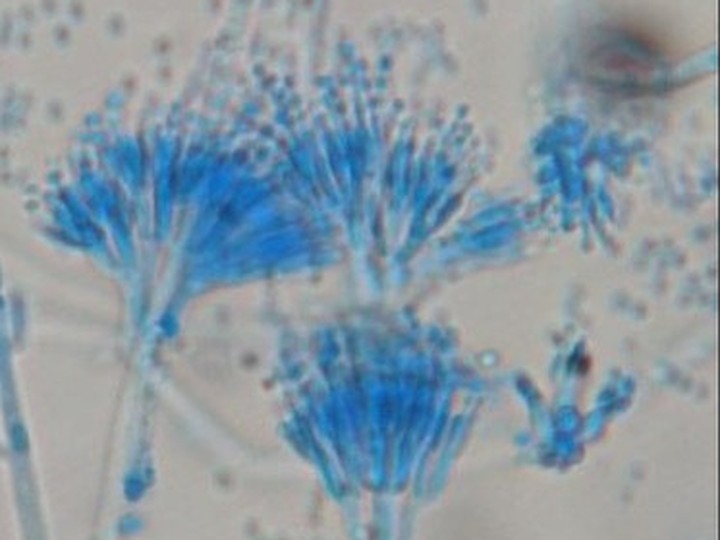
A working reference photograph is in place, captured from a freely-licensed Wikimedia Commons source (File:Penicillium_sp._(ascomycetous_fungi).jpg). Generic pigment-producing-fungus reference image; check exact CC licence. Recommend replacing with an authentic dye-concentrate photo once the producer is verified. Treat this as a placeholder for marketing purposes: exact licence terms should be re-verified on the Commons file page, and original producer photography is recommended before final trade use.