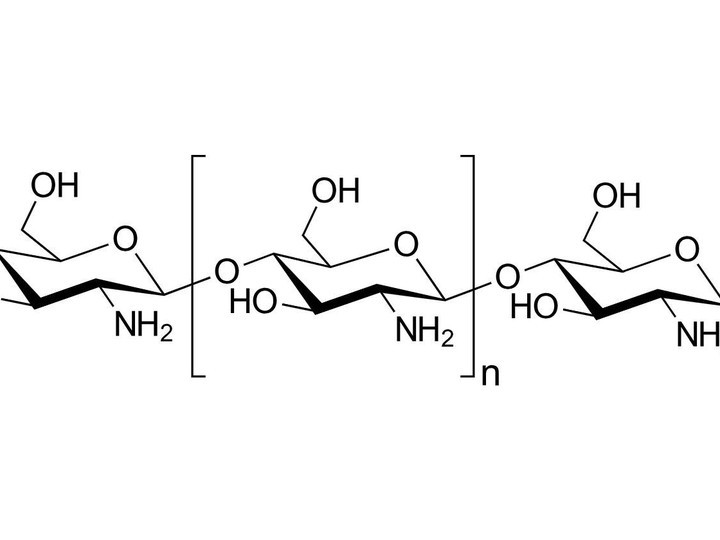
Fungal-derived vegan chitosan (from mushroom cell walls)
A shellfish-free, vegan alternative to crustacean-derived chitosan, produced by extracting chitin/chitosan from cultivated fungal cell walls (e.g., Aspergillus niger mycelium) — a biotech process with growing interest from India's fermentation and biomaterials sector.
| Origin | Unverified — no specific fungal-chitosan production company was confirmed to be based in Hyderabad. Hyderabad is a genuine, large biotech cluster (Genome Valley), and fungal-chitosan production (e.g., from Aspergillus niger mycelium) is a real, published biotech process, but this research did not locate a named Hyderabad company doing it commercially; the closest confirmed Indian mycelium-biomaterial ventures found (Roha Biotech, Mycelium Sona Biotech) are based in Chennai/IIT-Madras and Salem/Tamil Nadu respectively, not Hyderabad. |
| Indian subcontinent | Yes |
| Category | Fungi & Functional Mycology |
| Retail price band | Retail/small-lot: native mushroom-derived chitosan lists at roughly US$39/kg for 1kg quantities from specialty biochemical suppliers, with derivative forms (chitosan hydrochloride, oligosaccharide, carboxymethyl chitosan) ranging US$55–200/kg depending on processing. |
| Bulk / trade price band | Volume tiers from the same supplier show bulk discounts to roughly US$150–175/kg for higher-value derivatives at 100–500kg scale, and lower for base-grade material at ton scale — these are supplier list prices (with a stated ~30% FOB markup), not an independent market index, and fungal (vs. crustacean) chitosan generally commands a price premium due to more complex extraction and lower yield per batch. |
| Sourcing status | Dossier researched from public sources — producer contact not yet established |
| Compliance status | Preliminary review complete (see below) — not yet legally verified |
Detailed study
Chitosan is a deacetylated derivative of chitin; while traditionally sourced from crustacean shells, fungal cell walls (particularly Aspergillus niger, Mucor, and other filamentous fungi mycelium) contain chitin that can be extracted via fermentation-based processes, yielding a vegan, allergen-reduced, more consistently pure alternative — an active area of biotech research and patenting (e.g., WO2023180067A1 covers a fungal-mycelium chitosan production method), used in food, cosmetics, water treatment, and biomedical applications.
Provenance & producer
Fungal chitosan production requires controlled fermentation of chitin-rich fungal species followed by chemical or enzymatic deacetylation — a process suited to biotech/fermentation facilities rather than agricultural farms; Hyderabad's Genome Valley is a real, large biotech hub, making it a plausible location for such a facility, but no specific company operating there was confirmed in this research — this claim should be verified directly with the supplier before being presented as fact.
Market & pricing
Commercial suppliers (e.g., Chitosan Global) list native mushroom chitosan around US$39/kg with derivative/functionalized forms priced up to US$200/kg, and note pricing reflects a standard markup over manufacturer FOB cost; the global fungal chitosan market is tracked as a distinct, growing segment in industry market-research reports (e.g., 'Fungal Chitosan Market Research Report').
Compliance & export
Chitosan itself has established regulatory pathways in food, cosmetic, and agricultural (biopesticide) uses in the EU and US (EFSA reviewed chitosan/chitosan hydrochloride as a basic substance for plant protection in 2025), and novel-food-style dossiers have been filed for specific chitosan powder preparations in the EU Novel Food framework — exact current authorization status depends on the specific product form and intended use, and should be checked against the EU Novel Food Catalogue and any FSSAI (India) biomaterial/food-additive rules before export marketing claims are finalized.
Sources
- ScienceDirect — Sources, production and commercial applications of fungal chitosan: A review
- Google Patents — WO2023180067A1, Method for producing chitosan from fungal mycelium
- Chitosan Global — Wholesale Prices
- European Commission — Novel Food application summary: Powder of chitosan
- EFSA Journal — Statement on review of chitosan/chitosan hydrochloride basic substance approval (2025)
- BioPatrika — Roha Biotech: mushroom-based sustainable packaging (comparable Indian mycelium biomaterial venture, not Hyderabad-based)
Image status
A working reference photograph is in place, captured from a freely-licensed Wikimedia Commons source (File:Chitosan chemical structural formula.svg). Vector chemical-structure diagram on Commons — such SVG structural diagrams are frequently public domain or CC0/CC BY-SA; verify exact tag on file page. An alternative physical-sample photo is File:Chitosan.jpg. Treat this as a placeholder for marketing purposes: exact licence terms should be re-verified on the Commons file page, and original producer photography is recommended before final trade use.