Fungal-fermented oud attar base note
A base-note oud attar built on deliberately fungal-inoculated Aquilaria heartwood from Assam's agarwood belt, distilled by traditional deg-bhapka methods.
| Origin | Assam is a genuine native range for Aquilaria malaccensis (agarwood) and a real centre of Indian oud distillation, so the stated origin is plausible; however most fine Indian attar/oud on the market is distilled in Kannauj (Uttar Pradesh) from Assam/NE-sourced wood, so buyers should confirm whether 'Assam origin' means tree source, fermentation site, or distillation site. |
| Indian subcontinent | Yes |
| Category | Fungi & Functional Mycology |
| Retail price band | Retail: roughly ₹8,000–₹25,000 for a 3–12 ml pure oud attar/oil concentrate, scaled from reported bulk oil pricing of ₹8–15 lakh per litre for high-grade agarwood oil (fatmaperfume.com, 2025). |
| Bulk / trade price band | Trade/bulk: agarwood oil ₹8–15 lakh (~US$9,600–18,000) per litre; agarwood chips ₹1.2–3 lakh/kg (medium grade) to ₹5–10 lakh+/kg (top grade), per Indian trade pricing surveys — figures fluctuate heavily with resin grade and are not independently audited. |
| Sourcing status | Dossier researched from public sources — producer contact not yet established |
| Compliance status | Preliminary review complete (see below) — not yet legally verified |
Detailed study
Agarwood forms when Aquilaria trees are wounded and colonised by fungi (documented genera include Fusarium, Phialophora, Lasiodiplodia and others), triggering a defensive resinous deposit in the heartwood; peer-reviewed work (e.g. Fusarium oxysporum-induced agarwood formation, PLOS ONE 2022; fungal microbiome studies in Current Microbiology, 2022) confirms this is real, actively researched science, and deliberate fungal inoculation is now a standard commercial technique to accelerate resin formation versus waiting for natural wounding.
Provenance & producer
Aquilaria malaccensis is native to Assam, Nagaland and parts of Arunachal Pradesh in India's northeast, where agarwood plantations and wild/semi-wild trees are inoculated and harvested by smallholders and specialist agarwood companies; much of the resinous wood is then traded to distillers, historically concentrated around Kannauj (UP), for conversion into attar via traditional hydro-distillation into sandalwood oil.
Market & pricing
Indian trade sources report agarwood oil at ₹8–15 lakh per litre and resin-grade chips from ₹1.2 lakh up to ₹10 lakh+ per kg depending on grade (fatmaperfume.com, 2025); globally oud remains one of the most expensive perfumery raw materials, with finished ouds retailing from tens to hundreds of dollars per small vial depending on dilution and grade.
Compliance & export
IMPORTANT: all Aquilaria species, including A. malaccensis, are listed on CITES Appendix II, meaning international trade in agarwood products requires CITES export permits; India (a range state) has periodically eased and increased its CITES-notified annual export quota for agarwood to support cultivated-source trade (Down To Earth, 2019; TRAFFIC/WWF India factsheets flag continuing illegal wild-harvest pressure), so any commercial export of this product must carry valid CITES paperwork and ideally documentation that the wood is plantation-grown rather than wild-harvested.
Sources
- Agarwood price trends India 2025
- Fusarium oxysporum-induced agarwood formation (PLOS ONE)
- Bacteria/fungi associated with agarwood fermentation (Current Microbiology)
- CITES eases agarwood export quota for India (Down To Earth)
- TRAFFIC factsheet: India's agarwood in illegal wildlife trade
- FAO agarwood overview
Image status
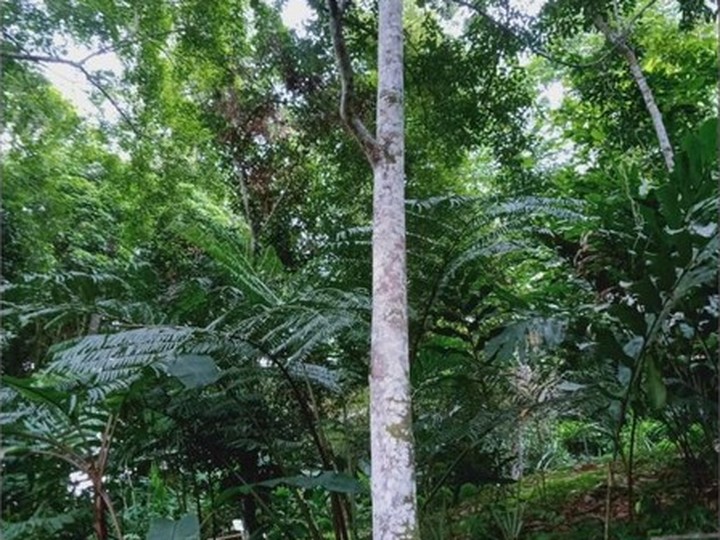
A working reference photograph is in place, captured from a freely-licensed Wikimedia Commons source (File:Aqualaria malaccensis.jpg). Hosted on Wikimedia Commons under the file's stated free licence (verify exact CC tag on the file page before commercial reuse); alternative candidate File:Agarwood.jpg also available. Treat this as a placeholder for marketing purposes: exact licence terms should be re-verified on the Commons file page, and original producer photography is recommended before final trade use.