Greek Kalamata PDO olive oil, early-harvest
Single-region Koroneiki extra virgin olive oil, early-harvested for peak polyphenol intensity.
| Origin | 'Kalamata' as a PDO for olive oil covers extra virgin oil made from Koroneiki olives grown within Messinia prefecture (the designated zone was expanded to cover the whole prefecture). Buyers should note that 'Kalamata' olive oil PDO (Koroneiki-variety oil) is a distinct EU-protected product from the separately regulated Kalamata table olive PDO (a different cultivar), despite sharing a name and region. |
| Indian subcontinent | No |
| Category | Global Rare Foods & Ingredients |
| Retail price band | $18–$35 per 500ml–1L bottle |
| Bulk / trade price band | $5–$9/L for bulk tin/drum wholesale orders |
| Sourcing status | Dossier researched from public sources — producer contact not yet established |
| Compliance status | Preliminary review complete (see below) — not yet legally verified |
Detailed study
Kalamata PDO extra virgin olive oil is made predominantly from the Koroneiki olive cultivar, renowned for high polyphenol content, low acidity and a peppery, robust flavor profile. 'Early harvest' oil is pressed from olives picked while still green/unripe (typically October–November), yielding lower oil quantity but more intense aroma, pungency and antioxidant concentration.
Provenance & producer
Produced from olive groves within Messinia prefecture in the southwestern Peloponnese, Greece — the same broader region famous for Kalamata table olives, though olive-oil PDO groves and cultivars (Koroneiki) differ from the table-olive PDO. Oil must be extracted via mechanical/cold-press methods within the designated zone to qualify for the PDO seal.
Market & pricing
Greek PDO extra virgin olive oils are marketed to specialty grocers, gourmet retailers and health-focused consumers across the EU, US and increasingly Asia, riding demand growth for high-polyphenol 'nutraceutical-grade' olive oils; early-harvest bottlings command a premium versus standard-harvest oil due to lower yield per hectare and shorter harvest window.
Compliance & export
Protected as PDO under EU Regulation, administered with Greek Ministry of Rural Development oversight and regional control bodies verifying cultivar, growing zone and extraction method; producers must meet EU extra-virgin classification chemistry (free acidity ≤0.8%, peroxide value limits, organoleptic panel testing). Export requires standard EU food-safety documentation, and some producers additionally commission independent lab verification of polyphenol content to substantiate marketing claims.
Sources
- Olive Oil Times — Kalamata PDO Expands to All of Messinia
- Elenianna — Greek PDO Olive Oil Regions: Complete Guide to Kalamata, Sitia & More
- Wikipedia — Kalamata olive
Image status
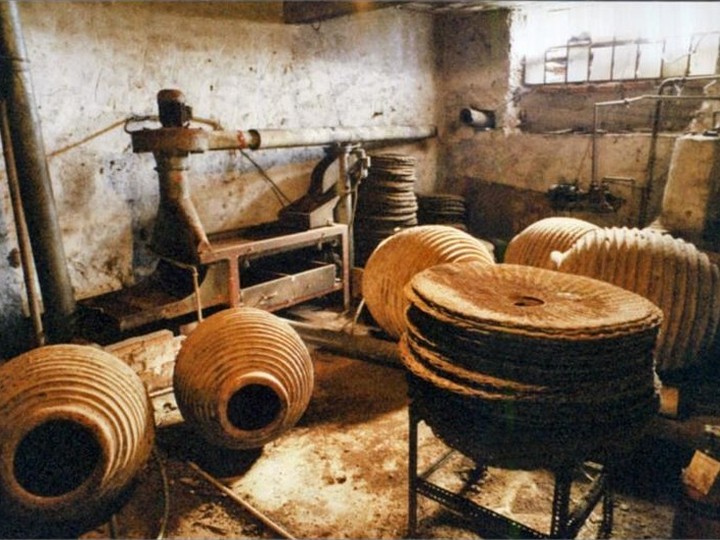
A working reference photograph is in place, captured from a freely-licensed Wikimedia Commons source (File:Olive oil vessels (pythoi) of a traditional olive mill, Parapougki village, Messinia, Greece.jpg). Free-licensed Commons file explicitly located in Messinia, Greece (the correct PDO region); depicts traditional oil-storage vessels rather than a bottled product shot Treat this as a placeholder for marketing purposes: exact licence terms should be re-verified on the Commons file page, and original producer photography is recommended before final trade use.