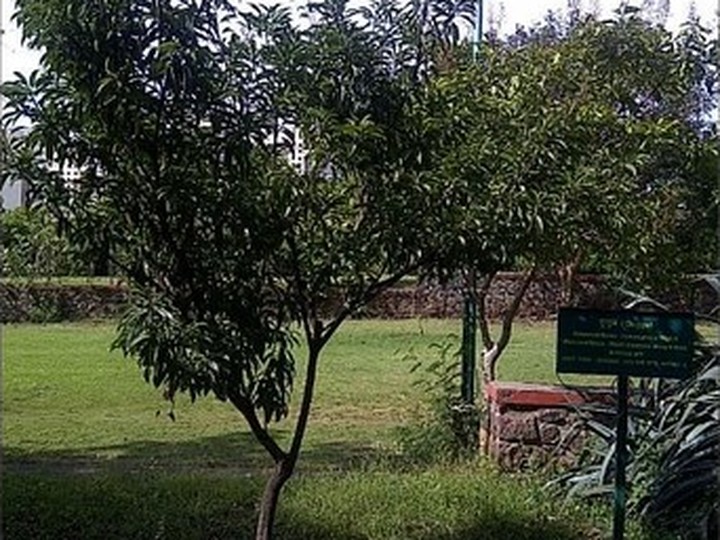
Guggul (Commiphora wightii) resin, wild-tapped
Sacred resin of a vanishing desert tree — sourced only with verified sustainable-tapping certification.
| Origin | Commiphora wightii is IUCN-assessed as threatened (critically scarce/vulnerable-to-endangered in habitat) primarily due to decades of overharvesting via bark-tapping in its two core habitat states, Rajasthan and Gujarat; because of this scarcity, most commercial guggul today is sourced from cultivated/plantation stands promoted by India's National Medicinal Plants Board (e.g., Kutch district cultivation projects) rather than genuinely wild-tapped trees. The catalogue's 'wild-tapped' claim should be treated with caution and requires verifiable sustainable-tapping and provenance certification — unverified wild-tapped guggul risks both conservation harm and mislabeling. |
| Indian subcontinent | Yes |
| Category | Ayurveda & Wellness Extracts |
| Retail price band | luxury |
| Bulk / trade price band | luxury/limited-lot wholesale, certificate-gated |
| Sourcing status | Dossier researched from public sources — producer contact not yet established |
| Compliance status | Preliminary review complete (see below) — not yet legally verified |
Detailed study
Guggul resin is the gummy oleo-gum-resin tapped from the bark of Commiphora wightii, a small thorny tree of arid and semi-arid Northwest India; its key bioactives are guggulsterones (E and Z isomers), steroidal compounds studied for lipid-modulating and anti-inflammatory activity in classical Ayurvedic formulations like Yogaraj Guggulu. Resin is harvested by making bark incisions and collecting the exuded gum over weeks, a slow, tree-damaging process traditionally repeated across seasons.
Provenance & producer
Native range is the arid tracts of Rajasthan and Gujarat (with populations extending into Pakistan and parts of the Middle East); traditional tapping has been carried out for generations by pastoral and forest-dependent communities in these states. Due to severe wild-population decline from unsustainable tapping, grazing pressure and drought, most current commercial supply now comes from cultivated plantations (including Kutch district projects backed by India's National Medicinal Plants Board) rather than genuinely wild trees, and grassroots programs are actively promoting sustainable tapping protocols among remaining wild-tree harvesters.
Market & pricing
Guggul is a staple raw material in the classical Ayurvedic pharmaceutical industry (used in dozens of guggulu formulations) and has crossed into the global nutraceutical market as a cholesterol-support supplement, despite mixed clinical evidence on lipid outcomes. Genuine wild-tapped, traceable-origin resin is scarce and commands luxury pricing versus the more common cultivated or adulterated commercial resin sold in bulk herbal-trade channels.
Compliance & export
Commiphora wightii is listed on the IUCN Red List (assessed as threatened) due to overharvesting, so any 'wild-tapped' claim should be accompanied by state forest department harvest permits and, ideally, third-party sustainable-wildcrafting certification; it is not currently CITES-listed, but conservation status alone warrants precautionary sourcing diligence. In India, guggul-based products fall under AYUSH Ministry classical-drug regulation; as an imported raw material or supplement ingredient in the US/EU it must meet FDA DSHEA dietary-supplement rules or EU novel-food/food-supplement requirements, with clear disclosure of species and conservation sourcing to avoid greenwashing claims.
Sources
- Wikipedia: Commiphora wightii
- IUCN Red List assessment, Commiphora wightii
- Rising trade, declining stocks: global gugul trade
- Guggul: from sacred resin to endangered resource — review
Image status
A working reference photograph is in place, captured from a freely-licensed Wikimedia Commons source (File:Guggull.jpg). Depicts guggul resin lumps — verify licence on the Commons page before use. Treat this as a placeholder for marketing purposes: exact licence terms should be re-verified on the Commons file page, and original producer photography is recommended before final trade use.