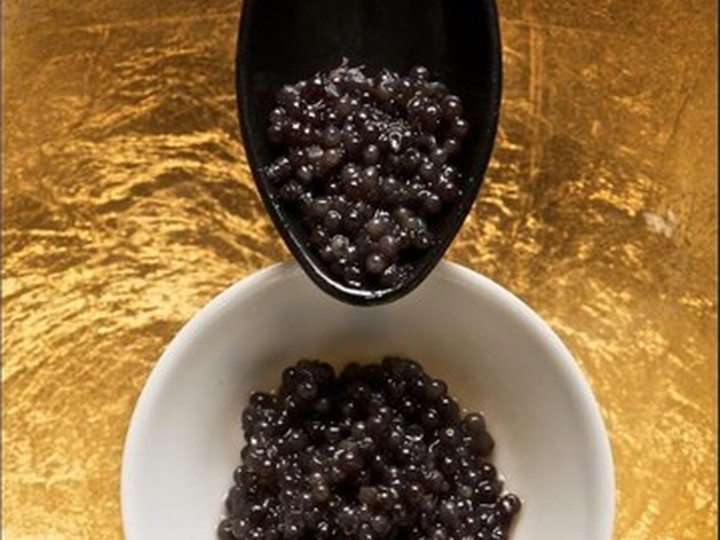
Iranian Beluga caviar (aquaculture, CITES-compliant)
Farmed Beluga roe from Iran's state-regulated Caspian aquaculture program, legally traded under CITES permit.
| Origin | The catalogue's 'Aquaculture, CITES-Compliant' framing must be kept explicit: true wild-caught Beluga (Huso huso) caviar trade is essentially prohibited today. All Caspian littoral states, including Iran, have maintained a commercial wild sturgeon fishing moratorium since the mid-2000s, and Beluga is CITES Appendix II with the wild Caspian population functionally off-limits to commercial harvest. Any legitimately traded 'Iranian Beluga caviar' on the international market today is farmed — sellers must not imply wild/river-caught origin. |
| Indian subcontinent | No |
| Category | Global Rare Foods & Ingredients |
| Retail price band | $180–$350 per 50g tin |
| Bulk / trade price band | $2,800–$5,500/kg for wholesale/food-service volumes, subject to CITES export permit allocation |
| Sourcing status | Dossier researched from public sources — producer contact not yet established |
| Compliance status | Preliminary review complete (see below) — not yet legally verified |
Detailed study
Beluga caviar is the roe of Huso huso, the largest sturgeon species and the most prized (and most endangered) source of caviar, historically fished wild in the Caspian and Black Seas. Due to overfishing, poaching and habitat loss from damming, wild Beluga populations have collapsed by an estimated 90%+ since the mid-20th century.
Provenance & producer
Modern Iranian Beluga caviar is produced in government-supervised aquaculture facilities along the Caspian coast (via Iran's Shilat fisheries organization and licensed private farms), which raise Beluga sturgeon in controlled ponds/tanks over 8–12+ years to maturity before roe harvest — a marked shift from the historic wild fishery that Iran formally suspended for Beluga alongside other Caspian states.
Market & pricing
Caviar is a global ultra-luxury food product with demand concentrated in fine dining, hospitality and gifting segments across the EU, US, Middle East and East Asia; farmed sturgeon caviar (China, Iran, France, Italy, US) now supplies the vast majority of world trade, with wild Caspian caviar reduced to a marginal, tightly quota-controlled residual.
Compliance & export
Huso huso is listed on CITES Appendix II; all international trade requires CITES export permits issued by Iran's CITES Management Authority and import permits in the destination country, with universal caviar tin labelling (species, country of origin, production year, processor registration number) mandated by CITES Resolution Conf. 12.7. Iran has maintained its domestic commercial wild sturgeon fishing ban into the 2020s, meaning legal Beluga caviar exports must originate from registered aquaculture stock.
Sources
- Science/AAAS — U.N. Bans Caviar Export
- Caliber.Az — Caspian littoral countries extend ban on commercial sturgeon fishing
- PressTV — Iran, other Caspian states extend ban on sturgeon fishing
Image status
A working reference photograph is in place, captured from a freely-licensed Wikimedia Commons source (File:Caviar et Vodka Beluga 001.jpg). Caviar and spoon (Black Beluga caviar), THOR, CC BY 2.0, via Wikimedia Commons Treat this as a placeholder for marketing purposes: exact licence terms should be re-verified on the Commons file page, and original producer photography is recommended before final trade use.