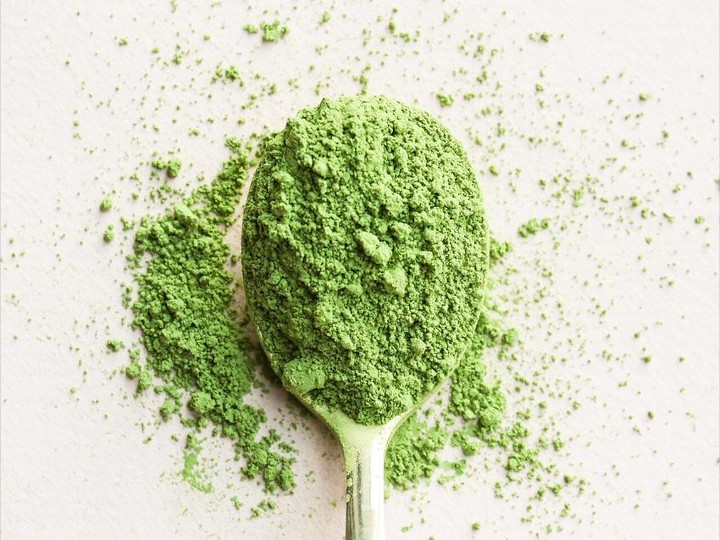
Japanese matcha, ceremonial first-harvest grade
Stone-ground first-flush tencha from Uji, the historic heart of Japanese tea culture.
| Origin | Uji, Kyoto, Japan |
| Indian subcontinent | No |
| Category | Global Wellness & Functional Ingredients |
| Retail price band | $$$$ (indicative $60–$120 per 100g tin for genuine ceremonial-grade first harvest) |
| Bulk / trade price band | $400–$800/kg wholesale for verified first-harvest (ichibancha) ceremonial grade; lower grades and later harvests priced considerably below |
| Sourcing status | Dossier researched from public sources — producer contact not yet established |
| Compliance status | Preliminary review complete (see below) — not yet legally verified |
Detailed study
Matcha is finely stone-ground powder made from tencha — shade-grown green tea leaves (Camellia sinensis) that are steamed, dried and de-veined before grinding. Ceremonial grade uses only the youngest first-flush (ichibancha) leaves from shade-covered bushes, prized for vivid green colour, high L-theanine content and a smooth, umami-rich, low-bitterness flavour suited to drinking as whisked tea rather than as a cooking ingredient.
Provenance & producer
Uji, near Kyoto, has been Japan's most historically prestigious tea-growing region since the medieval period, closely tied to the development of Japanese tea ceremony (chanoyu); tea bushes are shaded with cloth or straw for several weeks before harvest to boost chlorophyll and amino-acid content, then hand- or machine-picked and processed by specialist tencha producers before stone-milling into matcha.
Market & pricing
Global matcha demand has grown sharply over the past decade, driven by wellness/health positioning (antioxidants, L-theanine-caffeine synergy) and food-and-beverage trend adoption (matcha lattes, desserts) well beyond Japan's traditional tea-ceremony market; genuine Uji ceremonial-grade matcha commands a strong premium over culinary-grade matcha and non-Uji origins, and demand has periodically outstripped supply in recent years.
Compliance & export
No CITES or wildlife issue applies. Export requires standard Japanese food-safety and agricultural export certification; Uji-brand matcha is protected through Japanese regional trademark/certification-mark schemes (administered by local tea associations) rather than a formal EU-style GI, so buyers should verify supplier membership in the recognized Uji tea trade association to substantiate authentic Uji-origin claims.
Sources
Image status
A working reference photograph is in place, captured from a freely-licensed Wikimedia Commons source. A scoop of matcha green tea powder, Evanhoever, CC BY-SA 4.0, via Wikimedia Commons Treat this as a placeholder for marketing purposes: exact licence terms should be re-verified on the Commons file page, and original producer photography is recommended before final trade use.