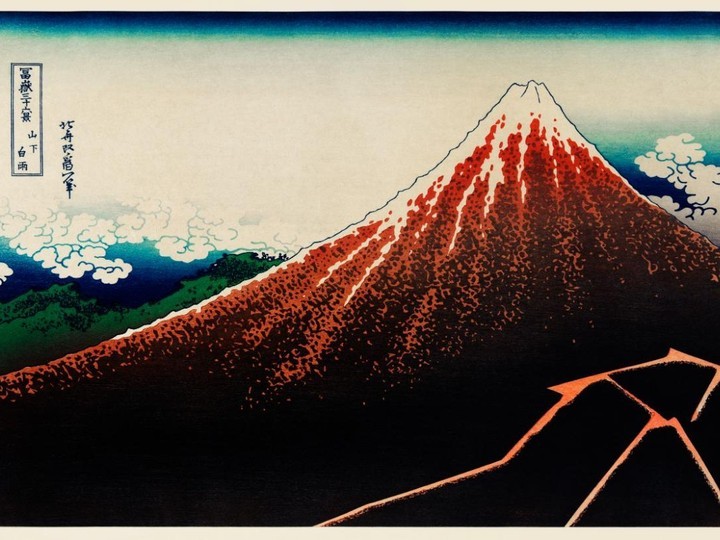
Japanese woodblock print (ukiyo-e), artisan reprint
Hand-carved, hand-pulled woodblock reprints of Japan's Edo-period floating-world masters, made in Kyoto
| Origin | Ukiyo-e as a historical genre is centered on Edo (present-day Tokyo), where its major masters (Hokusai, Hiroshige, Utamaro) worked during the Edo period. Kyoto does have its own distinct, long-running woodblock printing heritage and is home to respected traditional reproduction ateliers (e.g., publishing houses continuing hand-carved, hand-pulled mokuhanga techniques), so 'Kyoto, Japan' is defensible for a modern artisan reprint produced there — but the listing should clarify that the print's artistic genre/subject originates from Edo-period Tokyo while the physical reprint is hand-produced by a Kyoto atelier, to avoid implying Kyoto originated ukiyo-e itself. |
| Indian subcontinent | No |
| Category | Art & Heritage Objects |
| Retail price band | mid |
| Bulk / trade price band | budget (open-edition wholesale reprints) |
| Sourcing status | Dossier researched from public sources — producer contact not yet established |
| Compliance status | Preliminary review complete (see below) — not yet legally verified |
Detailed study
Ukiyo-e ('pictures of the floating world') is a genre of Japanese woodblock printing (and painting) that flourished from the 17th to 19th centuries, produced through a collaborative process involving a designing artist, a block-carver, and a printer using multiple hand-carved cherry-wood blocks and water-based pigments to build up registered color layers (nishiki-e); classic subjects include kabuki actors, courtesans, and landscapes such as Hokusai's 'Great Wave' and Hiroshige's 'Fifty-three Stations.' An 'artisan reprint' uses the same traditional carving/printing method (mokuhanga) to reproduce historic designs rather than mechanical offset printing.
Provenance & producer
The genre's major historical production center was Edo (Tokyo), where the great ukiyo-e publishing houses and artists operated; Kyoto has a long-standing, separate woodblock printing tradition and today hosts several of Japan's most respected surviving traditional print ateliers/publishers that continue to hand-carve and hand-print historic ukiyo-e designs and new work using authentic Edo-period techniques, making Kyoto a legitimate origin for a contemporary artisan reprint even though it was not the genre's historic center.
Market & pricing
Genuine hand-carved/hand-pulled artisan reprints sit in the mid-market between cheap machine-printed poster reproductions and rare, high-value original Edo-period prints (which can fetch thousands to tens of thousands of dollars at auction for fine early impressions); target buyers are Japanophile collectors, interior-decor buyers seeking authentic craft over mass print, and gift/museum-shop retail channels.
Compliance & export
Listings should clearly distinguish 'artisan reprint' (a modern hand-produced reproduction of a historic design, no cultural-property export restriction) from an antique original print, which — if genuinely Edo/Meiji-period — could fall under Japan's Act on Protection of Cultural Properties export controls for significant works; standard commercial export documentation applies, and country-of-manufacture labeling (Kyoto, Japan) should be accurate and verifiable to the specific producing atelier.
Sources
- Ukiyo-e - Britannica
- Modern-day Artisans Carry On the 'Ukiyo-e' Tradition - Nippon.com
- Japanese woodblock prints (ukiyo-e) - V&A
Image status
A working reference photograph is in place, captured from a freely-licensed Wikimedia Commons source (File:Ukiyo-e woodblock print by Katsushika Hokusai, digitally enhanced by rawpixel-com 19.jpg). Underlying print is public domain; the specific rawpixel-enhanced upload is typically CC0/PD-marked — verify exact tag. Depicts genre-representative Edo-period ukiyo-e, not a Kyoto-atelier reprint specifically. Treat this as a placeholder for marketing purposes: exact licence terms should be re-verified on the Commons file page, and original producer photography is recommended before final trade use.