Kaluga hybrid caviar, sustainable aquaculture
Large-grain, buttery caviar from farm-raised Kaluga–Amur sturgeon hybrids, a genuinely sustainable alternative to wild roe.
| Origin | China |
| Indian subcontinent | No |
| Category | Global Rare Foods & Ingredients |
| Retail price band | $90–$180 per 50g tin |
| Bulk / trade price band | $1,400–$2,600/kg wholesale, MOQ typically 1–5kg for import buyers |
| Sourcing status | Dossier researched from public sources — producer contact not yet established |
| Compliance status | Preliminary review complete (see below) — not yet legally verified |
Detailed study
Kaluga hybrid caviar comes from a cross between the Kaluga sturgeon (Huso dauricus), a giant freshwater sturgeon native to the Amur River basin (China/Russia border), and the Amur sturgeon (Acipenser schrenckii). The hybrid is prized for large, glossy black-to-brown grains and a mild, buttery, less 'fishy' flavor that makes it a popular entry point into premium caviar.
Provenance & producer
Virtually all commercially available Kaluga hybrid caviar today is farm-raised, with China (notably large operations around Qiandao Lake, Zhejiang) now the world's largest sturgeon aquaculture producer by volume. Fish are raised in controlled freshwater ponds/tanks for roughly 6–10 years before harvest.
Market & pricing
Kaluga hybrid has become one of the most widely distributed caviar varieties globally due to reliable farmed supply and lower price point than Beluga or Ossetra, popular with restaurants, hotels and retail gourmet buyers; China's sturgeon aquaculture sector supplies a large share of world caviar trade.
Compliance & export
Huso dauricus and Acipenser schrenckii (and their hybrids) are listed on CITES Appendix II, so international trade requires CITES export/import permits and each tin must bear CITES-compliant labelling per Res. Conf. 12.7. Because supply is farm-raised, Kaluga hybrid is broadly regarded within the trade as one of the more sustainable caviar options, though buyers should still confirm the specific farm's CITES registration and traceability documentation.
Sources
- Caviar Guide — Kaluga Caviar: Taste, Origin, Sustainability
- Culture Caviar — The World's Largest Caviar Producers From China & Iran
- Wikipedia — Kaluga (fish)
Image status
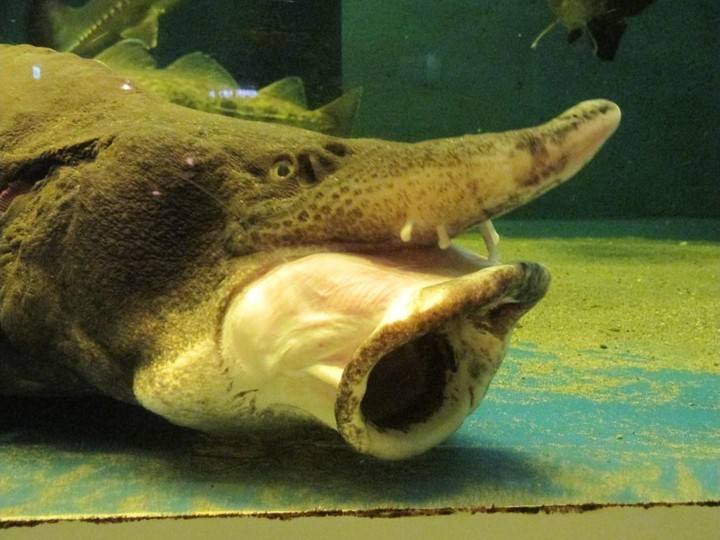
A working reference photograph is in place, captured from a freely-licensed Wikimedia Commons source (File:Acipenseridae Huso dauricusIMG 9995a.jpg). Free-licensed Commons file depicting Huso dauricus (Kaluga sturgeon), the parent species of the hybrid — depicts the live fish, not the caviar product itself Treat this as a placeholder for marketing purposes: exact licence terms should be re-verified on the Commons file page, and original producer photography is recommended before final trade use.