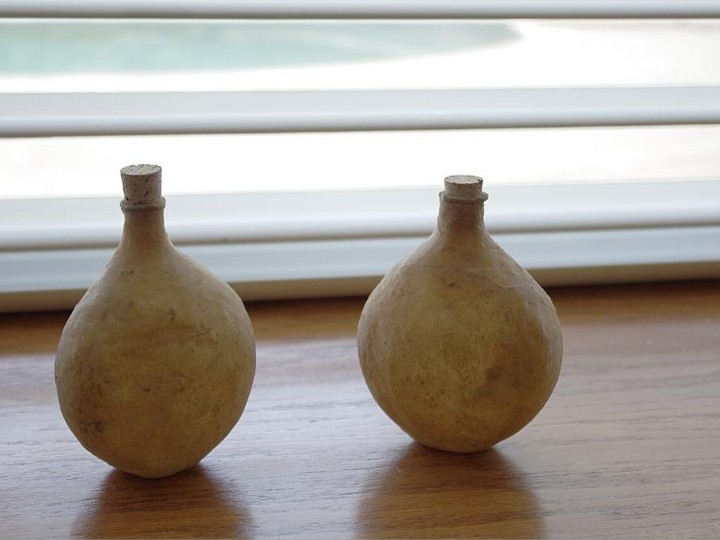
Kannauj attar (traditional distilled perfume oil)
Hand-distilled in copper degs over wood fires using the centuries-old deg-bhapka method in Kannauj — India's GI-protected 'perfume capital' — where floral and woody essences are captured directly into a sandalwood or DPG base.
| Origin | Kannauj, Uttar Pradesh, India |
| Indian subcontinent | Yes |
| Category | Rare Spices, Botanicals & Teas |
| Retail price band | Retail roughly ₹150–₹2,500 for a 10ml bottle depending on the attar type (rose, mitti, henna, sandal-based florals) and base oil used, per Kannauj-based retailer listings |
| Bulk / trade price band | Bulk/wholesale sandalwood-based attars run considerably higher (often ₹3,000+/10ml equivalent) because of the rising cost of the sandalwood base oil itself, per Kannauj perfumer trade reporting |
| Sourcing status | Dossier researched from public sources — producer contact not yet established |
| Compliance status | Preliminary review complete (see below) — not yet legally verified |
Detailed study
Attar is a traditional Indian perfume oil produced by hydro-distilling flowers, herbs, spices or earth (as in 'mitti attar') directly into a carrier oil — historically pure sandalwood oil, though rising sandalwood costs have pushed many producers toward DPG (dipropylene glycol) or liquid paraffin bases for lower grades. Kannauj is distinctive for its deg-bhapka apparatus: a copper deg (still) heated over an open wood fire, connected via a bamboo pipe to a bhapka (receiver) submerged in cooling water, a method largely unchanged for centuries. Grading distinguishes 'chandan-based' (real sandalwood-base) attars, prized and expensive, from synthetic-base attars sold at a fraction of the price; genuine artisanal batches are also identified by distiller reputation and small-batch traceability rather than any formal lab grade.
Provenance & producer
Kannauj, a town in Uttar Pradesh on the Ganga-adjacent plains, has been a center of perfume distillation since at least the Mughal era, drawing on locally grown roses, henna, and other florals as well as ingredients (like sandalwood and vetiver) sourced from other Indian regions. Production remains dominated by small family-run distilleries (many centuries-old) rather than large corporate estates, with an active local perfumers' association and government One District One Product (ODOP) support. 'Kannauj Perfume' received Geographical Indication (GI) registration in India (GI Registry, Chennai) recognizing the town's traditional deg-bhapka distillation process as a distinct regional craft.
Market & pricing
Retail Kannauj attars range widely by ingredient — floral attars like rose or kewra sell for a few hundred rupees per 10ml, while sandalwood-based florals and pure chandan attars can run into the low thousands of rupees, reflecting the underlying cost pressure from scarce sandalwood oil documented in industry press coverage. The Print's 2024/25 reporting on Kannauj's perfume industry highlights sandalwood price inflation as an existential cost challenge for traditional attar-makers.
Compliance & export
'Kannauj Perfume' is a registered GI under India's Geographical Indications of Goods (Registration and Protection) Act, administered via the GI Registry, which protects the name and traditional process but does not itself certify individual bottles' purity — buyers should look for individual perfumer certification or lab assay for sandalwood-base attars. Because much traditional attar uses genuine sandalwood oil as base, the same state forest-transit and DGFT export documentation issues applicable to Mysore sandalwood oil apply to sandalwood-based attar exports; attars sold into the EU/US as cosmetic/fragrance products must also comply with destination cosmetic-ingredient (IFRA/EU Cosmetics Regulation, US FDA cosmetic labeling) rules on allergen declaration.
Sources
- Kannauj Perfume — Wikipedia
- Livehistoryindia — Kannauj: Perfume Capital of India
- The Print — Fragrant but expensive: sandalwood is giving Kannauj's perfume industry a headache
- GI Registry entry reference (via kannaujattar.com GI page)
Image status
A working reference photograph is in place, captured from a freely-licensed Wikimedia Commons source. Camel skin perfume bottles from Kannauj, traditional attar-ageing vessels, David Prasad, CC BY-SA 2.0, via Wikimedia Commons. Treat this as a placeholder for marketing purposes: exact licence terms should be re-verified on the Commons file page, and original producer photography is recommended before final trade use.