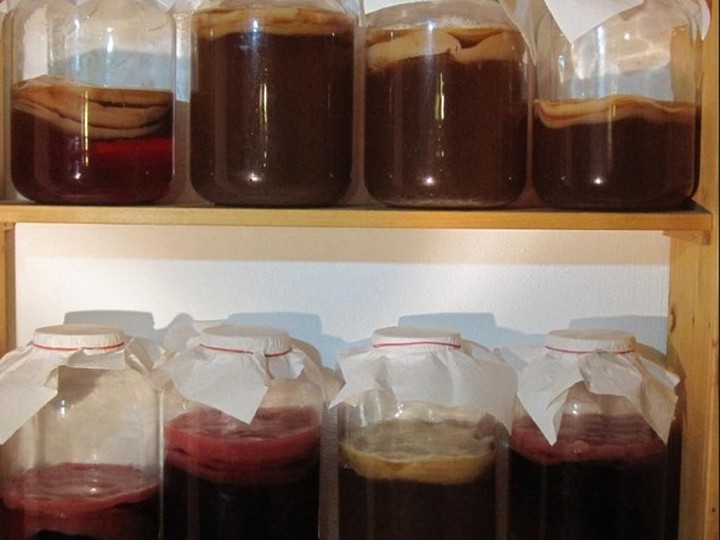
Kombucha SCOBY leather sheet (bacterial-fungal biofilm)
A living bacterial-cellulose and yeast biofilm — the same SCOBY that ferments kombucha — grown and dried into flexible, leather-like sheets as a vegan biomaterial, an emerging niche within India's biomaterials scene.
| Origin | Goa, India |
| Indian subcontinent | Yes |
| Category | Fungi & Functional Mycology |
| Retail price band | Retail: dedicated market pricing for finished SCOBY-leather sheets (as opposed to DIY kits) is thin; comparable mycelium/bacterial-cellulose 'vegan leather' materials from biomaterials startups typically price at a premium per square foot versus synthetic leather, reflecting small-batch artisanal production — no single authoritative price source was found for this specific product and pricing should be treated as an estimate pending direct producer data. |
| Bulk / trade price band | No established wholesale index exists for SCOBY leather; it remains a craft/startup-stage material globally (research literature includes academic studies on kombucha-derived bioleather for fashion accessories) rather than a commoditized bulk-traded good. |
| Sourcing status | Dossier researched from public sources — producer contact not yet established |
| Compliance status | Preliminary review complete (see below) — not yet legally verified |
Detailed study
SCOBY (Symbiotic Culture Of Bacteria and Yeast) is the biofilm that forms during kombucha fermentation, composed largely of bacterial cellulose (produced by Komagataeibacter/Acetobacter species) interwoven with yeast; when grown thick, dried, and tanned/treated, it forms a flexible, leather-like sheet material studied as a sustainable, vegan leather alternative, including recent peer-reviewed work on chromium-coordination 'tanning-like' treatments and antibacterial nanomaterial-enhanced variants.
Provenance & producer
Goa's warm, humid climate is well-suited to kombucha/SCOBY fermentation (the process requires stable warm temperatures), and India has a broader, real mushroom/fungal-biomaterial startup ecosystem (e.g., Roha Biotech for mycelium packaging) suggesting a receptive niche-manufacturing environment; however, no specific named commercial SCOBY-leather producer based in Goa was confirmed in this research — this claim should be verified directly with the supplier.
Market & pricing
This remains an early-stage, craft/research-adjacent material category globally: peer-reviewed and trade literature (ScienceDirect articles on kombucha bioleather for fashion accessories, interpack coverage of 'kombucha leather – packaging from the tea lab') confirm active development interest, but no mature commodity price benchmark exists, positioning any Vasundhara offering as a genuinely novel, story-driven product rather than one benchmarked against an existing market.
Compliance & export
As a non-food, non-medicinal biomaterial (leather alternative), SCOBY leather is not subject to food/novel-food regulation but would fall under general textile/leather-substitute product safety and labeling norms in most markets (and 'vegan leather' marketing claims are increasingly scrutinized for greenwashing in the EU and elsewhere) — Vasundhara should ensure any biodegradability, chemical-treatment, and 'vegan leather' claims are substantiated, since kombucha-leather tanning studies show some formulations use metal-coordination or chemical treatments that could affect 'natural/biodegradable' positioning.
Sources
- ScienceDirect — Production of kombucha SCOBY-based bioleather for sustainable fashion accessories
- ScienceDirect — Kombucha bacterial cellulose as sustainable leather alternative via tanning-like treatments
- International Leather Club — Kombucha Leather: The Biomaterial-Based Vegan Leather
- interpack — Kombucha leather: packaging from the tea lab
- BioPatrika — Roha Biotech: mushroom-based sustainable packaging (comparable Indian mycelium biomaterial venture)
Image status
A working reference photograph is in place, captured from a freely-licensed Wikimedia Commons source (File:Kombucha In Gärgläsern.jpg). Shows kombucha with visible SCOBY in fermentation jars; licence to be confirmed on file page (typical Commons contributor upload, likely CC BY-SA). No dedicated 'SCOBY leather sheet' photo was found on Commons — this jar/culture image is the closest verifiable freely-licensed candidate; a custom product photo is recommended for final marketing use. Treat this as a placeholder for marketing purposes: exact licence terms should be re-verified on the Commons file page, and original producer photography is recommended before final trade use.