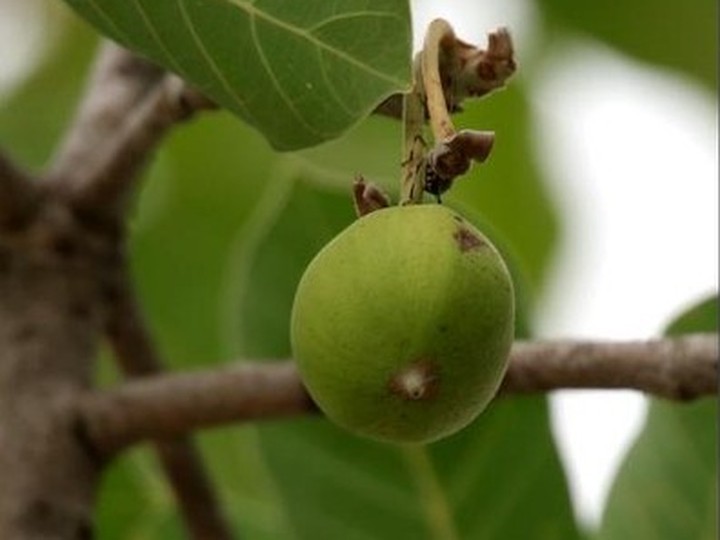
Mahua flower wild honey
Foraged from Madhuca longifolia blossom in the Bastar forests, this deep-amber wild honey carries the distinctive musky-sweet character of mahua flower nectar central to Gond and Muria tribal life.
| Origin | Bastar, Chhattisgarh, India |
| Indian subcontinent | Yes |
| Category | Rare Spices, Botanicals & Teas |
| Retail price band | Retail: mid-range for branded wild/forest honey (comparable Chhattisgarh forest honey listed on Flipkart/local retailers in the Rs 300–600 per 250-500g range) |
| Bulk / trade price band | Pricing under research |
| Sourcing status | Dossier researched from public sources — producer contact not yet established |
| Compliance status | Preliminary review complete (see below) — not yet legally verified |
Detailed study
Mahua (Madhuca longifolia) is a deciduous tree whose nectar-rich flowers, harvested each spring across central India's dry deciduous forests, are foraged by both bees and local communities (for food, oil and liquor). Mahua-flower honey, gathered from wild or semi-wild Apis colonies foraging on mahua blossom, has a characteristic dark colour and strong floral-musky note distinct from multi-floral forest honey; quality markers are floral purity, low moisture, and absence of blending with other forest honeys.
Provenance & producer
Bastar division of Chhattisgarh (Bastar, Kondagaon, Narayanpur, Dantewada districts) is a major mahua belt where Gond, Muria and other Adivasi communities collect both mahua flowers and wild honey through minor forest produce (MFP) channels, increasingly organised via state MFP federations, self-help groups and social enterprises like Chhattisgarh Herbals.
Market & pricing
Mahua-branded forest honey from Chhattisgarh retails through e-commerce (Flipkart) and specialist tribal-produce brands at prices broadly in line with other Indian wild/forest honey; demand is driven by rising interest in single-flora, traceable, MFP-sourced honey as part of the broader 'mahua as forest treasure' branding push documented by ATREE/CFR research.
Compliance & export
Collection and sale fall under India's Minor Forest Produce (MFP) support-price scheme (TRIFED/state tribal welfare departments) and the Forest Rights Act, 2006, giving gram sabhas rights over MFP including mahua and honey. Packaged sale requires FSSAI licensing and adulteration testing under the same honey-purity rules applicable nationally; no GI tag currently exists for this specific product.
Sources
- ATREE CFR — On Mahua, its People and the Markets: Reflections from Bastar
- Chhattisgarh Herbals — Mahua: Chhattisgarh's 'Yellow Gold'
- Flipkart — Chhattisgarh Herbals Wild Forest Organic Honey from Bastar
Image status
A working reference photograph is in place, captured from a freely-licensed Wikimedia Commons source (File:Madhuca longifolia var latifolia (Mahua) fruit W IMG 0245.jpg). Species-accurate (Madhuca longifolia) but depicts fruit, not the flowers that yield the nectar honey is made from — no freely-licensed Commons photo of mahua flowers specifically was confidently identified; use with a caption clarifying it shows the fruiting stage, or source a flower-stage image separately. Treat this as a placeholder for marketing purposes: exact licence terms should be re-verified on the Commons file page, and original producer photography is recommended before final trade use.