Manuka honey, UMF-certified
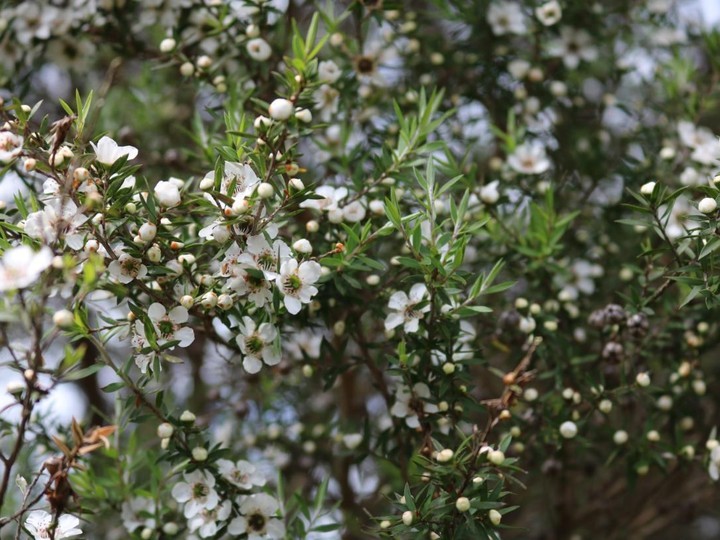
Harvested from wild manuka (Leptospermum scoparium) scrub across New Zealand's Northland region, UMF-certified manuka honey carries independently tested, batch-verified antibacterial potency ratings.
| Origin | Northland, New Zealand |
| Indian subcontinent | No |
| Category | Rare Spices, Botanicals & Teas |
| Retail price band | Retail roughly USD 30–70 for a 250g jar depending on UMF rating (e.g. UMF 15+ to 20+), per New Zealand Honey Co. and comparable branded sellers; higher UMF grades (20+/24+) command significantly more |
| Bulk / trade price band | Pricing under research |
| Sourcing status | Dossier researched from public sources — producer contact not yet established |
| Compliance status | Preliminary review complete (see below) — not yet legally verified |
Detailed study
Manuka honey is produced by honeybees foraging on Leptospermum scoparium (mānuka) flowers, distinguished from ordinary honey by unusually high levels of methylglyoxal (MGO), derived from dihydroxyacetone naturally present in manuka nectar, which confers documented antibacterial activity. The UMF (Unique Mānuka Factor) rating system, administered by the UMF Honey Association, is New Zealand's principal independent grading and traceability standard, testing for MGO, DHA, leptosperin and HMF (a heat/freshness marker) and licensing UMF trademark use only to compliant, audited producers. Higher UMF numbers (e.g. 15+, 20+, 24+) correspond to higher tested potency and higher retail price.
Provenance & producer
Manuka honey is produced across New Zealand wherever wild and cultivated manuka scrub grows, with Northland, the East Cape, and central North Island regions among the most significant production areas; beekeepers typically place hives in remote manuka stands (often on Māori-owned or DOC-managed land) during the short manuka flowering season and harvest is closely tied to weather-dependent bloom timing. Because manuka only flowers for a few weeks a year and yields are variable, supply is inherently constrained, which along with rigorous UMF/MPI testing requirements has made authenticated manuka a premium, closely regulated New Zealand export category historically plagued by international mislabeling/fraud that prompted the government's tighter export-definition rules.
Market & pricing
Branded UMF-certified manuka honey retails roughly USD 30–70+ for a 250g jar depending on UMF grade, with higher grades like UMF 24+ commanding substantially more; global demand, especially from China, the US and UK, has historically outstripped genuine supply, a dynamic widely documented in New Zealand honey-industry and consumer-fraud reporting.
Compliance & export
New Zealand's Ministry for Primary Industries (MPI) enforces a mandatory science-based 'manuka honey definition' test (a five-attribute chemical/DNA marker test) that all honey labeled and exported as manuka honey must pass, in addition to voluntary UMF Honey Association certification/licensing for the UMF trademark specifically. The EU classifies honey generally under food law and requires compliance with EU honey composition/labeling directives; exporters must meet destination-specific apiculture-product import requirements.
Sources
- New Zealand Honey Co. — Manuka Honey UMF 20+ product page
- Mānuka honey — Wikipedia
- FDA — FDA Announces EU Requirements for All Honey Imported into the EU
Image status
A working reference photograph is in place, captured from a freely-licensed Wikimedia Commons source (File:Mānuka flowers and foliage - Hooton Reserve, Auckland.jpg). Correctly depicts Leptospermum scoparium (mānuka) flowers, though photographed in Auckland rather than Northland specifically — usable as a botanically accurate species reference with a caption noting general NZ provenance rather than confirmed Northland origin. Standard Commons licensing applies; verify exact CC terms on file page. Treat this as a placeholder for marketing purposes: exact licence terms should be re-verified on the Commons file page, and original producer photography is recommended before final trade use.