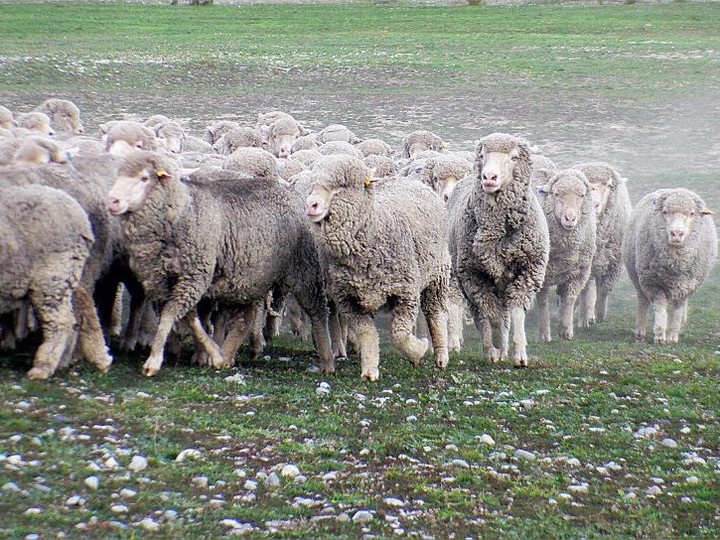
Merino fine-wool textile, ethically shorn
High-country South Island merino, fine-micron softness from a non-mulesed flock.
| Origin | South Island, New Zealand |
| Indian subcontinent | No |
| Category | Heritage Textiles & Weaves |
| Retail price band | premium |
| Bulk / trade price band | mid |
| Sourcing status | Dossier researched from public sources — producer contact not yet established |
| Compliance status | Preliminary review complete (see below) — not yet legally verified |
Detailed study
Merino wool is prized for its fineness — commercial grades run from strong wool (23–24.5 micron) down to ultrafine (11.5–15 micron) — giving it a soft, non-itch handle unusual for wool, plus natural breathability, odour resistance and temperature regulation. The Merino breed itself traces to medieval Spain, which guarded its export for centuries before flocks spread globally in the 18th–19th centuries to Australia, New Zealand, South Africa and the Americas, each region developing its own strain suited to local terrain.
Provenance & producer
New Zealand's South Island high-country stations (across Canterbury, Otago and Marlborough's mountainous rangeland) are a globally recognised source of fine merino, marketed collectively through bodies like The New Zealand Merino Company and welfare/traceability programmes such as ZQ Merino. New Zealand legally banned mulesing (the surgical removal of skin folds to prevent flystrike, still practised in parts of Australia) from 1 October 2018, making 'non-mulesed' a verifiable, regulation-backed claim for NZ-origin merino rather than a purely marketing one.
Market & pricing
Fine merino from New Zealand commands a premium over standard wool and even over uncertified Australian merino among ethically-minded apparel brands (activewear, base-layers, luxury knitwear); target buyers include performance-apparel manufacturers, premium knitwear labels and wholesale yarn buyers seeking traceable, welfare-certified fibre for marketing claims.
Compliance & export
Since NZ mulesing is banned by law, 'ethically shorn'/non-mulesed claims for South Island merino are legitimate but should still reference a specific traceability scheme (e.g., ZQ or ZQRX) for verifiability rather than standing as an unsubstantiated claim alone. Wool imports into the EU, US and other markets require fibre-content labelling and, in some jurisdictions, biosecurity/phytosanitary certification for raw greasy wool (scoured/processed wool generally faces lighter requirements); New Zealand's MPI issues the relevant export health certification for raw wool shipments.
Sources
Image status
A working reference photograph is in place, captured from a freely-licensed Wikimedia Commons source. Merino sheep flock showing the breed's dense, fine fleece, Bernard Spragg. NZ, public domain, via Wikimedia Commons. Treat this as a placeholder for marketing purposes: exact licence terms should be re-verified on the Commons file page, and original producer photography is recommended before final trade use.