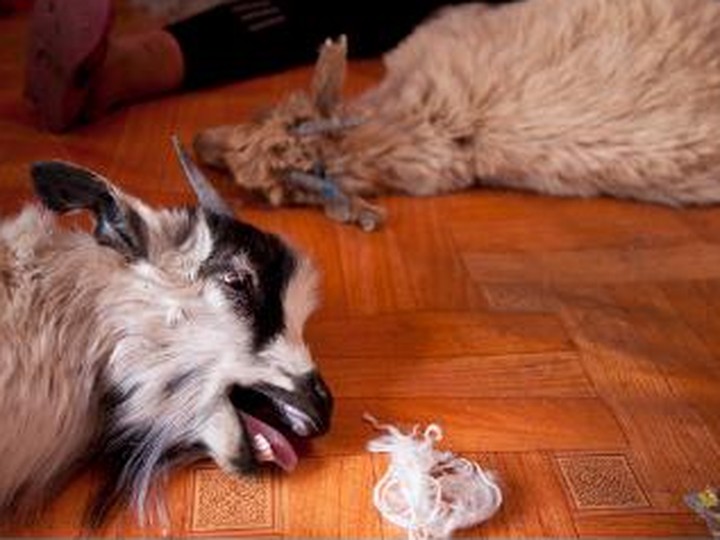
Mongolian cashmere fibre, hand-combed
Hand-combed cashmere down from Gobi Desert herding families.
| Origin | Gobi Desert, Mongolia |
| Indian subcontinent | No |
| Category | Global Fibers, Oils & Botanicals |
| Retail price band | $$$$ (raw dehaired cashmere, indicative $60–110/kg; highly volatile with Chinese market demand) |
| Bulk / trade price band | Herder-cooperative lot pricing tied to annual spring harvest; container-scale export volumes available through processors |
| Sourcing status | Dossier researched from public sources — producer contact not yet established |
| Compliance status | Preliminary review complete (see below) — not yet legally verified |
Detailed study
Cashmere is the fine undercoat ('down') grown by goats adapted to cold desert winters; the traditional harvest method is hand-combing the goats during their spring moult rather than shearing, producing longer, cleaner down with less coarse-guard-hair contamination than sheared fibre.
Provenance & producer
Mongolia is the world's second-largest raw cashmere producer after China, supplying roughly 9,600 tonnes of raw cashmere annually, with Gobi-region herding households a core source of supply. Hand-combing remains the traditional Mongolian harvest method; only a minority of Mongolia's raw cashmere is processed into finished goods domestically, with the majority exported in semi-processed form.
Market & pricing
Global luxury fashion and knitwear demand is served largely through Italian and Chinese spinning mills that import Mongolian raw and semi-processed cashmere; prices are highly sensitive to Chinese demand cycles and to herd-size or weather shocks (harsh Mongolian winters, 'dzud' events, can sharply cut supply).
Compliance & export
No CITES restriction applies (domestic livestock fibre). A significant environmental concern is documented: cashmere goat overstocking is linked to Gobi grassland degradation and desertification, prompting industry sustainability responses such as the Sustainable Fibre Alliance's Good Cashmere Standard. Exports require Mongolian customs and animal-health certification.
Sources
Image status
A working reference photograph is in place, captured from a freely-licensed Wikimedia Commons source. Cashmere goats being hand-combed for their down in early spring, Mongolia, Taylor Weidman/The Vanishing Cultures Project, CC BY-SA 3.0, via Wikimedia Commons Treat this as a placeholder for marketing purposes: exact licence terms should be re-verified on the Commons file page, and original producer photography is recommended before final trade use.