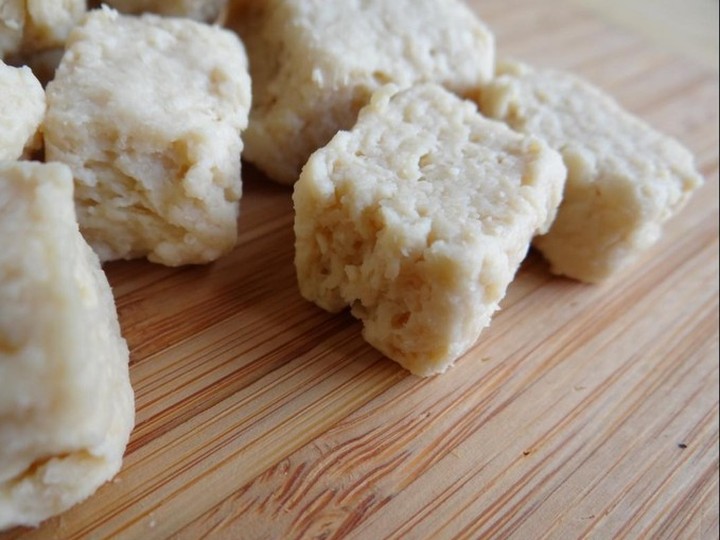
Mycoprotein fermentation base (novel protein ingredient)
A fermentation-derived fungal biomass protein — the same category pioneered by Quorn's Fusarium venenatum — produced by Bengaluru's emerging biotech-fermentation cluster as a novel, sustainable meat-analogue ingredient base.
| Origin | Confirmed plausible — Bengaluru (Karnataka) hosts real mycoprotein/fermentation biotech activity: Mycovation, described as 'Asia's first mycoprotein technology company,' is registered as an India entity with a Karnataka (KA) company registration code, alongside broader India-focused mycoprotein moves by Swiss firm Planetary (partnering with Dhampur Bio Organics). Direct confirmation that Mycovation's core R&D/production site is physically in Bengaluru city was not independently verified beyond the company registration jurisdiction. |
| Indian subcontinent | Yes |
| Category | Fungi & Functional Mycology |
| Retail price band | Retail (as finished consumer mycoprotein foods, e.g., Quorn-style products): typically priced comparably to premium plant-based meat alternatives in developed markets; India-specific finished-product retail pricing for this category is still nascent and not yet indexed. |
| Bulk / trade price band | Industry cost targets cited by Planetary/Dhampur Bio Organics for India-based mycoprotein production explicitly target below US$1 per kilogram at industrial scale, leveraging co-located sugar-mill byproduct streams — a genuine, sourced figure for the ambition of India-based mycoprotein manufacturing, though this reflects a stated target/goal rather than a confirmed achieved market price. |
| Sourcing status | Dossier researched from public sources — producer contact not yet established |
| Compliance status | Preliminary review complete (see below) — not yet legally verified |
Detailed study
Mycoprotein is a fungal-biomass protein produced by continuous fermentation of a filamentous fungus (classically Fusarium venenatum, the basis of the Quorn brand) on a carbohydrate feedstock, then processed (heat-treated to reduce RNA content) into a textured protein base for meat analogues; it has decades of commercial history in the UK/Europe and is now attracting India-based fermentation investment.
Provenance & producer
Two distinct, real India developments underpin this category: (1) Mycovation, self-described as Asia's first mycoprotein technology company, operates with an India entity registered in Karnataka and uses solid-state and submerged fermentation via a proprietary strain/substrate platform (its 'MyX' product line, already used commercially in Singapore); (2) Swiss firm Planetary has announced exploration of large-scale India mycoprotein production in partnership with Dhampur Bio Organics, aiming to co-locate fermentation with sugar mill byproducts.
Market & pricing
Planetary/Dhampur's stated ambition is sub-US$1/kg production cost for industrial mycoprotein via sugar-mill integration, which the companies describe as potentially 'gross-margin positive almost immediately' — a real, sourced industry claim, though not yet a confirmed achieved market price. Globally, established players like The Protein Brewery (Fermotein) and Quorn provide reference points for finished-product commercialization.
Compliance & export
Mycoprotein from Fusarium venenatum (specific strain NRRL 22628) has been formally recognized as an authorized/novel food in the EU under Regulation (EU) 2015/2283 — a real, sourced regulatory fact — meaning EU market access for this ingredient category is achievable but requires strain-specific and process-specific documentation; India's FSSAI does not yet have an equivalent long-established mycoprotein-specific category, so any India-produced mycoprotein intended for export would need to align with the destination market's specific novel-food/GRAS pathway (EU Novel Food, US GRAS, etc.) rather than assuming blanket approval.
Sources
- GreenQueen — Planetary Announces India Fermentation Licensing Deal for Cheaper Blended Meat
- World Bio Market Insights — Planetary explores large-scale mycoprotein production in India
- Vegconomist — Planetary Eyes India as Global Mycoprotein Hub
- GourmetPro — Meet Asia's First Mycoprotein Technology Company (Mycovation)
- The Company Check — Mycovation India Private Limited (company registration, Karnataka)
- Freyr — Mycoprotein (Fusarium venenatum NRRL 22628) recognized as novel food in the EU
Image status
A working reference photograph is in place, captured from a freely-licensed Wikimedia Commons source (File:Quorn Stukjes (4).jpg). Depicts the reference mycoprotein commercial product (Quorn); licence typically CC BY-SA on Commons — verify on file page. Alternative micrograph option: File:Fusarium conidiophores and macroconidia 160X.png for the source-organism angle. Treat this as a placeholder for marketing purposes: exact licence terms should be re-verified on the Commons file page, and original producer photography is recommended before final trade use.