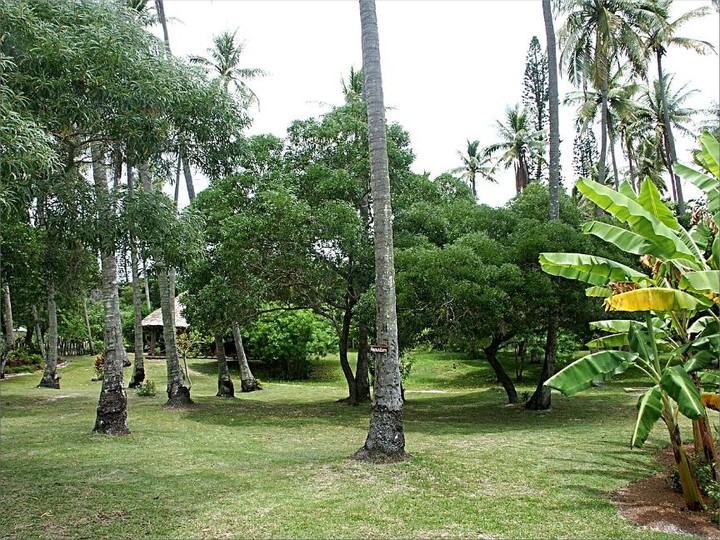
New Caledonia sandalwood oil, wild-harvested
Aromatic Santalum austrocaledonicum oil from New Caledonia's regulated wild sandalwood stands.
| Origin | Santalum austrocaledonicum, the New Caledonian/Vanuatu sandalwood species, has a documented history of overexploitation and localized depletion from unregulated wild harvest in past decades; while the species is not CITES-listed, both New Caledonia and neighbouring Vanuatu have introduced harvest quotas, minimum-diameter cutting rules and, increasingly, cultivation programs to manage the resource sustainably. A 'wild-harvested' claim should be paired with evidence of current legal quota compliance rather than presented as an unregulated open resource. |
| Indian subcontinent | No |
| Category | Global Fibers, Oils & Botanicals |
| Retail price band | $$$$ (indicative $1,000–$2,200/kg, comparable to other genuine Santalum species oils) |
| Bulk / trade price band | Contract/quota-linked pricing; supply is constrained by conservation-driven harvest limits |
| Sourcing status | Dossier researched from public sources — producer contact not yet established |
| Compliance status | Preliminary review complete (see below) — not yet legally verified |
Detailed study
Santalum austrocaledonicum is the sandalwood species native to New Caledonia and Vanuatu, chemically similar to but botanically distinct from Indian Santalum album, yielding a fragrant, santalol-rich oil valued as an alternative genuine-species sandalwood source amid Indian supply constraints.
Provenance & producer
Wild and semi-wild stands grow across New Caledonia's dry forest zones; historic overharvesting through the 19th and 20th centuries (New Caledonia was a significant colonial-era sandalwood export source) led to resource depletion in parts of its range, prompting present-day regulatory quotas, minimum-size harvest rules and growing interest in managed regeneration/plantation programs.
Market & pricing
New Caledonian sandalwood oil supplies niche fine-fragrance and aromatherapy buyers seeking a genuine-species alternative to increasingly scarce and higher-priced Indian sandalwood; volumes remain small relative to Australian plantation supply, keeping it a boutique, story-driven raw material rather than a bulk commodity.
Compliance & export
Santalum austrocaledonicum is not CITES-listed, but New Caledonian and Vanuatu authorities regulate wild harvest through quotas and minimum-diameter rules given the species' history of localized depletion; buyers should require documentation of current harvest-permit compliance, and export is subject to standard French/New Caledonian customs and phytosanitary certification.
Sources
Image status
A working reference photograph is in place, captured from a freely-licensed Wikimedia Commons source. Santalum austrocaledonicum (New Caledonia sandalwood) at Ile des Pins, New Caledonia, Denis.prevot, CC BY-SA 3.0, via Wikimedia Commons Treat this as a placeholder for marketing purposes: exact licence terms should be re-verified on the Commons file page, and original producer photography is recommended before final trade use.