New Zealand deer velvet extract (traditional tonic)
Antler velvet, harvested humanely, backed by New Zealand's strictest deer-welfare standards
| Origin | South Island, New Zealand is plausible but unverifiable as stated — NZ deer velvet production is nationwide (Otago, Southland, Canterbury on the South Island, but also Waikato, Manawatū and Hawke's Bay on the North Island are major velvetting regions). Without a specific farm/region certificate, 'South Island' should be softened to 'New Zealand (South Island sourced, farm-of-origin to be specified)' unless a named supplying farm is on file. |
| Indian subcontinent | No |
| Category | Ayurveda & Wellness Extracts |
| Retail price band | premium |
| Bulk / trade price band | mid (wholesale/bulk nutraceutical-grade extract) |
| Sourcing status | Dossier researched from public sources — producer contact not yet established |
| Compliance status | Preliminary review complete (see below) — not yet legally verified |
Detailed study
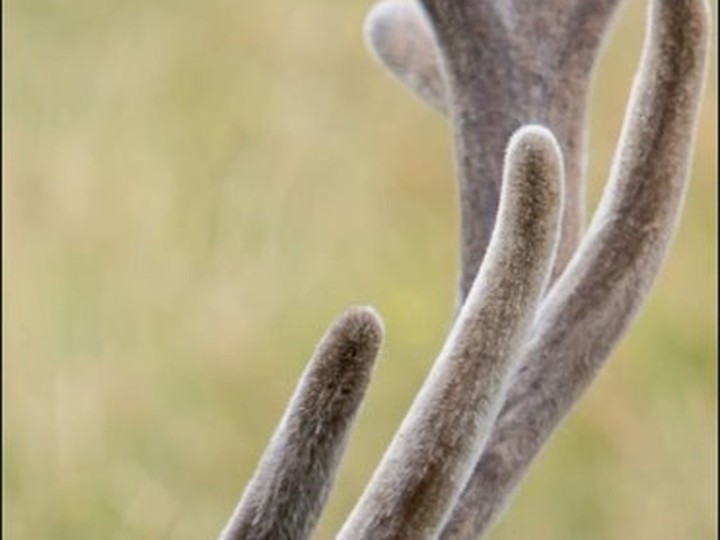
Deer velvet is the soft, vascularized, pre-calcified antler tissue removed annually from live stags under veterinary-supervised, pain-relief protocols; it is freeze-dried and solvent- or water-extracted into powder, capsule, or tincture form standardized for growth-factor and glycosaminoglycan content. It is one of the oldest ingredients in East Asian tonic medicine (Traditional Chinese Medicine 'lu rong') and is marketed in Western wellness retail as a joint, recovery, and vitality supplement.
Provenance & producer
New Zealand is the world's largest commercial producer and exporter of farmed deer velvet, supplying roughly 500-600 tonnes annually, mostly to South Korea, with red deer and elk/wapiti farmed nationwide (both North and South Island). The industry is coordinated by Deer Industry New Zealand (DINZ) and the New Zealand Deer Farmers' Association (NZDFA/DINZ), which jointly govern farmed-deer welfare and product standards.
Market & pricing
Deer velvet extract sits in the premium nutraceutical/TCM-adjacent tonic category, priced well above generic collagen or glucosamine supplements due to controlled-harvest costs, cold-chain freeze-drying, and geographic-origin branding ('NZ velvet' commands a premium over Russian/Siberian or Chinese-farmed velvet in Asian markets). Target buyers are wellness retailers, TCM pharmacies, and export distributors into South Korea, China, and Southeast Asia, plus a smaller direct-to-consumer wellness audience in Australasia and North America.
Compliance & export
All velvet removal in New Zealand must occur under the National Velvetting Standards Body (NVSB) scheme, which mandates accredited-veterinarian oversight, local anaesthetic use, and animal-welfare audits — products marketed as ethically/humanely harvested should reference NVSB accreditation and, where applicable, AsureQuality or MPI (Ministry for Primary Industries) export certification. Because this is an animal-derived product, export shipments require MPI animal-product export health certificates, and destination-market rules (e.g. TCM/health-supplement registration in South Korea, China, or the EU) must be checked; retail labeling must disclose species origin and harvesting method, and cannot make unproven therapeutic claims in most Western jurisdictions (FDA/FSANZ/EU novel-food and health-claim restrictions apply).
Sources
- Deer Industry NZ - National Velvetting Standards Body (NVSB)
- Velvet antler - Wikipedia
- NZ Deer Antler Velvet Extract ingredient listing - NIH DSLD
Image status
A working reference photograph is in place, captured from a freely-licensed Wikimedia Commons source (File:Velvet-antler.jpg). Depicts velvet antler generically, not a New Zealand-specific farm image — flagged as a generic reference image only. Treat this as a placeholder for marketing purposes: exact licence terms should be re-verified on the Commons file page, and original producer photography is recommended before final trade use.