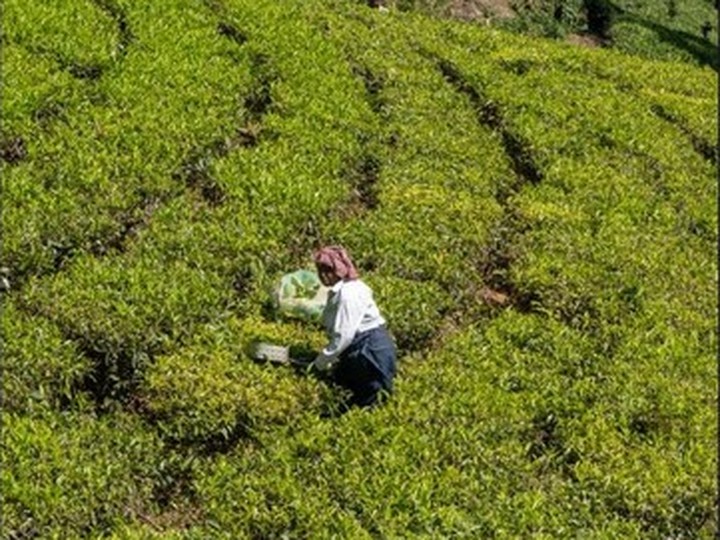
Nilgiri high-grown orthodox tea
Grown above 1,000m in the Nilgiri 'Blue Mountains,' this brisk, aromatic high-grown orthodox tea is prized worldwide for a clean, fast-infusing character that blends readily yet stands alone.
| Origin | Nilgiri Hills, Tamil Nadu, India |
| Indian subcontinent | Yes |
| Category | Rare Spices, Botanicals & Teas |
| Retail price band | Retail: roughly Rs 500-1,500/kg for high-grown orthodox grades from Nilgiri estates, per specialty tea retailer listings |
| Bulk / trade price band | Pricing under research |
| Sourcing status | Dossier researched from public sources — producer contact not yet established |
| Compliance status | Preliminary review complete (see below) — not yet legally verified |
Detailed study
Nilgiri tea comes from Camellia sinensis grown at elevations often exceeding 1,000-2,500m in the Nilgiri hills; 'high-grown' orthodox grades are valued for a brighter, more aromatic, quicker-infusing liquor than lower-elevation CTC tea, and are widely used both as single-origin tea and as a blending component in international tea houses.
Provenance & producer
Cultivated on estates and smallholdings across the Nilgiris district of Tamil Nadu (areas including Coonoor, Kotagiri, Gudalur and Ooty/Udhagamandalam), within and around the Nilgiri Biosphere Reserve.
Market & pricing
Nilgiri orthodox tea is positioned as a value/quality alternative to Darjeeling and Sri Lankan high-grown teas in blending and specialty retail, with prices reflecting elevation and flush quality; industry commentary (STiR Tea & Coffee, Tea Board) has also flagged periodic price pressure and acreage decline affecting Nilgiri growers.
Compliance & export
Nilgiri (Orthodox) tea holds an Indian GI tag, administered under Tea Board of India regulations (per the Tea Board's own GI protection document for Nilgiri Orthodox tea). Export requires Tea Board registration and compliance with destination-market pesticide MRL and food-safety rules.
Sources
- Tea Board of India — Protection and Administration of Nilgiri (Orthodox) Tea GI
- IBEF — Nilgiri Tea: Fragrant Blend of Taste & Tradition
- STiR Tea & Coffee — Indian Origin Update: Teas of the Nilgiris
Image status
A working reference photograph is in place, captured from a freely-licensed Wikimedia Commons source (File:Nilgiri Biosphere Reserve-Tea Plantations-WUS06121.jpg). CC BY-SA 4.0, per Commons file page. Treat this as a placeholder for marketing purposes: exact licence terms should be re-verified on the Commons file page, and original producer photography is recommended before final trade use.