Panchakarma-grade medicated Ayurvedic oil set
Kerala's centuries-old dosha-balancing oils, formulated for authentic Panchakarma detox therapy.
| Origin | Kerala is genuinely the historical heartland of Panchakarma practice and medicated-oil (taila) production in India, home to numerous long-established Ayurvedic pharmacies and treatment centers, so the origin claim is credible and well-supported; no correction needed, though buyers should note oil sets marketed generically as 'Panchakarma-grade' vary widely in actual classical-formulation fidelity and should specify exact formulations (e.g., Dhanwantharam Tailam, Ksheerabala) rather than a vague catalogue-all label. |
| Indian subcontinent | Yes |
| Category | Ayurveda & Wellness Extracts |
| Retail price band | premium |
| Bulk / trade price band | premium wholesale for spa/clinic bulk orders |
| Sourcing status | Dossier researched from public sources — producer contact not yet established |
| Compliance status | Preliminary review complete (see below) — not yet legally verified |
Detailed study
Panchakarma-grade medicated oils (taila) are classical Ayurvedic preparations made by slow-cooking a herbal decoction and paste into a base oil (typically sesame or coconut) until the water fraction evaporates and herbal actives are lipid-infused, following formulas codified in texts like the Sahasrayogam and Ashtanga Hridayam. Distinctive to genuine Panchakarma-grade oils is the multi-day, low-heat classical cooking process and use of fresh (not dried) herbs, which differentiates them from mass-market 'Ayurvedic massage oil' blends.
Provenance & producer
Kerala is Ayurveda's most concentrated production and practice hub in India, with generations of vaidya (physician) families and licensed Ayurvedic pharmacies (many GMP-certified) producing classical oils for in-house Panchakarma clinics and export. Production combines cultivated and wild-collected herbs from Kerala's Western Ghats biodiversity and surrounding states, processed by trained oil-preparation technicians (taila-paka specialists) rather than industrial extraction lines.
Market & pricing
Panchakarma oil sets are sold both to end consumers for home Abhyanga self-massage and, at a higher premium tier, to Ayurvedic resorts, wellness spas and clinics worldwide for professional detox therapy programs, positioning this as a premium/luxury wellness-tourism-adjacent product rather than a mass commodity. Kerala-origin, temple-pharmacy-linked or heritage-brand oils (e.g., from established Kottakkal/Kerala houses) command notable premiums over generic pan-India Ayurvedic oil brands.
Compliance & export
Classical Ayurvedic oil formulations manufactured in India require AYUSH Ministry drug-manufacturing licensing and GMP compliance under Indian Ayurvedic pharmaceutical regulation; FSSAI oversight applies if marketed as a cosmetic/wellness product rather than a classical medicine. For export, destination-market rules matter significantly — in the US these oils are typically sold as cosmetics/topical wellness products (FDA cosmetic regulation, not drug claims) and in the EU under cosmetic product safety regulation, meaning therapeutic/Panchakarma claims must be carefully worded to avoid unauthorized medicinal-product classification.
Sources
- Kerala Panchakarma: Detox, Rejuvenation and Healing
- Wikipedia: Abhyanga
- Panchakarma Treatment in Kerala: Ultimate Ayurvedic Detox Journey
Image status
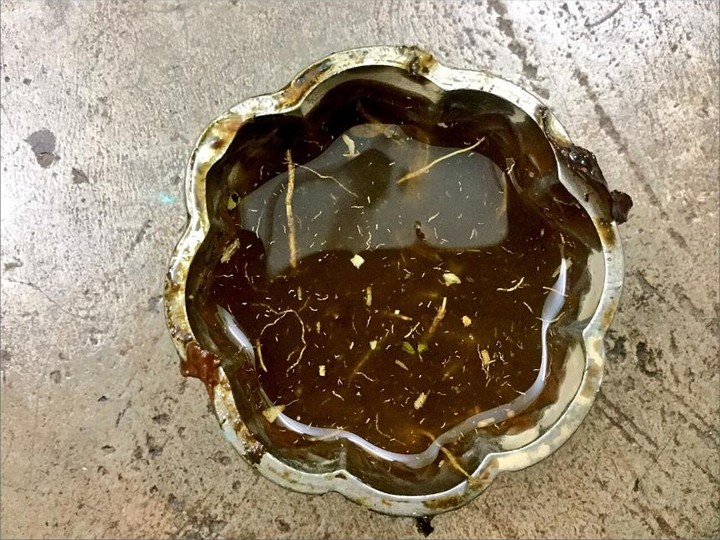
A working reference photograph is in place, captured from a freely-licensed Wikimedia Commons source. Phulari Tela, the traditional medicated oil used in the treatment of Lord Jagannatha when he is sick with fever, an Ayurvedic concoction, Prateek Pattanaik, CC BY-SA 4.0, via Wikimedia Commons. Treat this as a placeholder for marketing purposes: exact licence terms should be re-verified on the Commons file page, and original producer photography is recommended before final trade use.