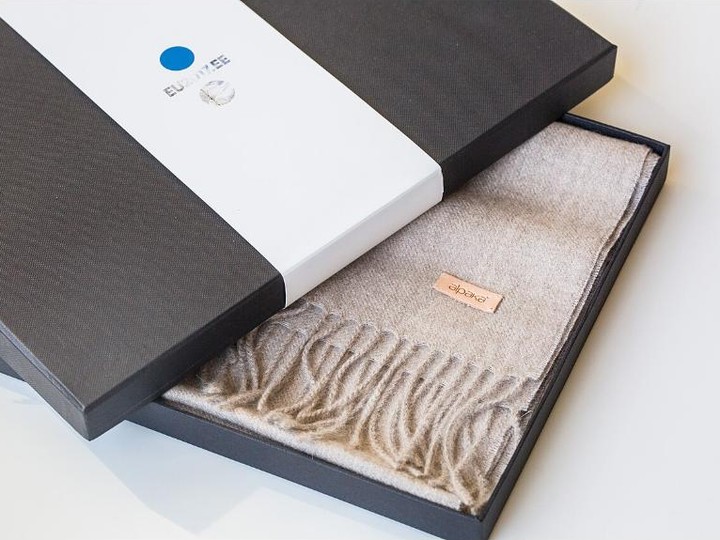
Peruvian baby alpaca fibre textile
Andean royalty's 'fibre of the gods' — hypoallergenic, lanolin-free softness from Peru's highlands.
| Origin | Cusco is a genuine and important alpaca-textile trading, weaving-cooperative and tourism-export hub, but the majority of Peru's alpaca population (commonly cited around three-quarters or more) is actually raised in the high-altiplano Puno region near Lake Titicaca, not Cusco itself. Listings should describe Cusco as a principal weaving/finishing and export centre for alpaca goods rather than implying it is the main herding region. |
| Indian subcontinent | No |
| Category | Heritage Textiles & Weaves |
| Retail price band | luxury |
| Bulk / trade price band | premium |
| Sourcing status | Dossier researched from public sources — producer contact not yet established |
| Compliance status | Preliminary review complete (see below) — not yet legally verified |
Detailed study
'Baby alpaca' denotes a fineness grade (roughly 18–22 micron) rather than the animal's age, drawn from the softest first- or early-shearing fleece of Huacaya (dense, crimpy fleece) or Suri (silky, lock-forming fleece) alpacas. The fibre is naturally lanolin-free (unlike sheep wool), which makes it hypoallergenic and less irritating to skin, while offering strong thermal insulation, water resistance and a soft, warm handle prized in luxury knitwear.
Provenance & producer
Alpacas were domesticated in the South American Andes over 5,000 years ago and held ceremonial status in Inca society, reserved historically for nobility. Peru holds roughly 80% of the world's alpaca population, herded predominantly by Quechua and Aymara smallholder families across the high-altitude altiplano (chiefly Puno, with Cusco, Arequipa and Ayacucho also significant), organised increasingly through weaving and fibre-grading cooperatives that supply both artisanal and export-scale manufacturers based in and around Cusco and Arequipa.
Market & pricing
Baby alpaca sits at the luxury end of natural-fibre textiles, competing with cashmere on softness and warmth while offering a lower environmental hoofprint (alpacas graze more gently than sheep or goats); target buyers include premium knitwear and outerwear brands, fair-trade and artisan-cooperative-sourced fashion labels, and wholesale yarn importers serving hand-knitting markets.
Compliance & export
Peru's alpaca fibre exports are typically graded and certified by organisations such as the Peruvian government's technical standards body and industry groups (e.g., referencing Alpaca del Peru / Indecopi-related fibre-grading standards); buyers should request fibre-grade and origin documentation to substantiate 'baby alpaca' and Peru-origin claims. Import markets (EU, US) require standard animal-fibre textile labelling (fibre content and blend percentage) and, for raw/greasy fibre rather than finished yarn or garments, may require phytosanitary or animal-by-product certification; finished, scoured/processed alpaca goods generally face lighter biosecurity requirements than raw fleece.
Sources
Image status
A working reference photograph is in place, captured from a freely-licensed Wikimedia Commons source. High-quality alpaca scarf made from the wool of baby alpacas, produced in Peru, Aron Urb / EU2017EE Estonian Presidency, CC BY 2.0, via Wikimedia Commons. Treat this as a placeholder for marketing purposes: exact licence terms should be re-verified on the Commons file page, and original producer photography is recommended before final trade use.