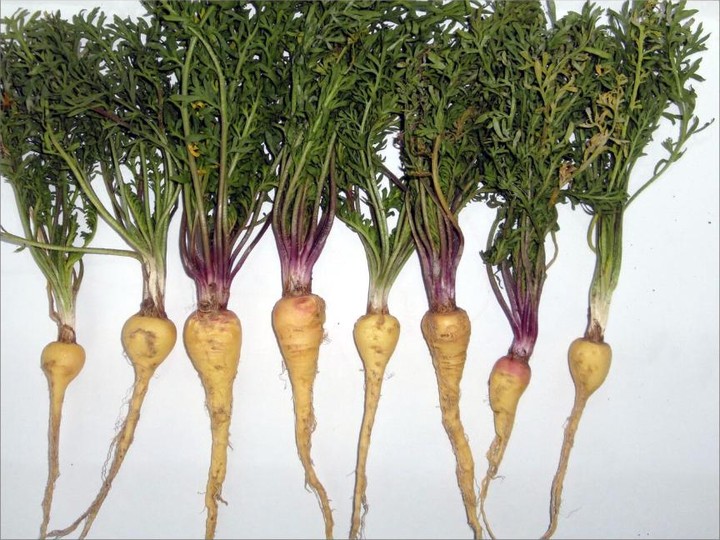
Peruvian black maca, high-altitude extract
High-altitude black maca root extract from the Peruvian Andes' most prized maca ecotype.
| Origin | Junín, Peru |
| Indian subcontinent | No |
| Category | Global Wellness & Functional Ingredients |
| Retail price band | $$$ (indicative $30–$60/kg for standardized extract powder) |
| Bulk / trade price band | $18–$35/kg on bulk export orders for raw dried root; extract pricing considerably higher depending on concentration ratio |
| Sourcing status | Dossier researched from public sources — producer contact not yet established |
| Compliance status | Preliminary review complete (see below) — not yet legally verified |
Detailed study
Maca (Lepidium meyenii) is a Peruvian Andean root crop related to radish and turnip, traditionally used as both food and a purported adaptogen/vitality tonic; black maca is one of several natural colour ecotypes (alongside yellow/cream and red), and some clinical and preclinical research has focused specifically on black maca for male fertility/vitality-related endpoints, though findings remain preliminary and are not medical claims.
Provenance & producer
Junín region, particularly the high-altitude Bombón Plateau around Lake Junín (roughly 4,000m elevation), is the traditional heartland of Peruvian maca cultivation, where the crop's short growing season and cold, high-UV environment are considered by growers and researchers to concentrate its bioactive glucosinolate and macamide compounds; harvesting and sun-drying follow traditional Andean agricultural methods.
Market & pricing
Global demand for maca (all colour types) has grown steadily in the sports-nutrition, adaptogen and natural-supplement markets across North America, Europe and increasingly Asia; black maca specifically commands a premium over the more common yellow maca due to its comparative scarcity and marketing around male-vitality-focused research interest, though rigorous human clinical evidence remains limited.
Compliance & export
No CITES restriction applies. Peru regulates maca export partly through biodiversity/access-and-benefit-sharing rules given the crop's status as a native Andean genetic resource (Peru has previously taken action against foreign patents on maca extracts under its biopiracy-prevention framework); export requires SENASA (Peruvian agricultural health service) phytosanitary certification, and any health/functional claims made in destination markets must meet local supplement-labelling law (novel food rules in the EU, structure/function claim limits under US FDA/DSHEA).
Sources
Image status
A working reference photograph is in place, captured from a freely-licensed Wikimedia Commons source. Lepidium meyenii (maca) roots harvested from experimental cultivation, Tsaghkadzor, Armenia, Vahe Martirosyan, CC BY 2.5, via Wikimedia Commons. Note: shows the common cream/yellow maca root form and was photographed outside Peru; the listing specifies the black maca variety, which is not separately documented on Commons. Treat this as a placeholder for marketing purposes: exact licence terms should be re-verified on the Commons file page, and original producer photography is recommended before final trade use.