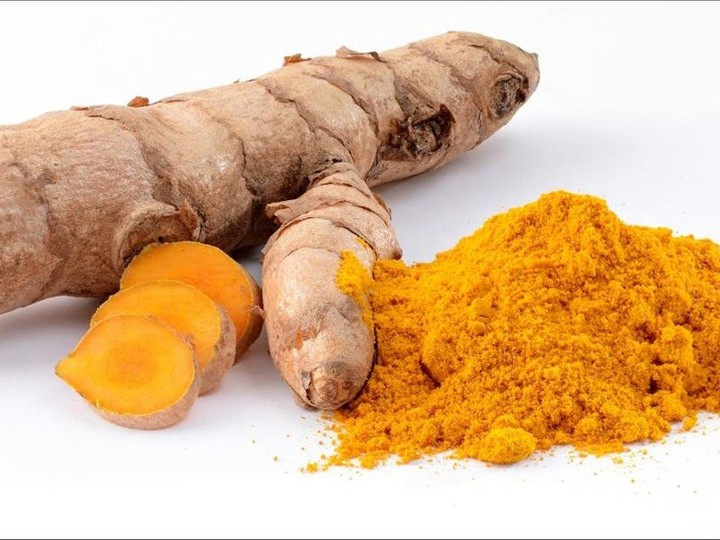
Wild forest turmeric (Lakadong variety, high curcumin)
Grown in the red lateritic soils of Meghalaya's Jaintia Hills, Lakadong turmeric holds India's first curcumin-focused GI tag and tests among the highest-curcumin varieties in the country.
| Origin | Lakadong turmeric is grown as a cultivated (farmer-grown) crop in the Jaintia Hills of Meghalaya, not wild-harvested forest turmeric — the 'wild forest' descriptor is inaccurate and should be corrected to 'cultivated, GI-tagged Lakadong turmeric, Jaintia Hills, Meghalaya.' |
| Indian subcontinent | Yes |
| Category | Rare Spices, Botanicals & Teas |
| Retail price band | Retail roughly ₹149–₹400 for 100–250g of GI-eligible Lakadong turmeric powder at direct-from-region sellers (Greene Origins, Meghalaya-based cooperatives) |
| Bulk / trade price band | Pricing under research |
| Sourcing status | Dossier researched from public sources — producer contact not yet established |
| Compliance status | Preliminary review complete (see below) — not yet legally verified |
Detailed study
Lakadong is a farmer-selected turmeric (Curcuma longa) landrace grown in Meghalaya's Jaintia Hills, distinguished by unusually high curcumin content — commonly cited between 6.8% and 12%, well above the roughly 2–5% typical of most commercial Indian turmeric — making it sought after for nutraceutical and high-grade culinary use. Distinctive quality markers include deep orange-red rhizome color (higher curcuminoid concentration correlates with color intensity) and third-party lab-tested curcumin percentage, which reputable sellers now publish per batch. It received Geographical Indication registration in December 2023, the first Indian turmeric GI specifically tied to a documented curcumin benchmark.
Provenance & producer
Lakadong turmeric is cultivated by smallholder farmers in the West Jaintia Hills district of Meghalaya, grown in the region's iron-rich lateritic soil under a largely organic, low-input traditional farming system passed through generations rather than in industrial monoculture. State agriculture departments and farmer producer organizations/cooperatives in Meghalaya have supported GI registration and branding to help farmers capture a price premium versus commodity turmeric.
Market & pricing
GI-eligible Lakadong turmeric powder retails around ₹149 for 100g at direct sellers, roughly on par with or a modest premium over standard branded turmeric powder, reflecting its still-developing branded-export market; coverage around the December 2023 GI registration frames the tag as intended to help farmers command higher prices going forward.
Compliance & export
Lakadong turmeric received GI registration in India (GI Registry, Chennai) in December 2023, protecting the name for turmeric genuinely grown in the specified Jaintia Hills area; buyers should be alert to widespread market mislabeling of ordinary turmeric as 'Lakadong' given the premium the name commands. As a food commodity, domestic sale requires FSSAI compliance and export requires APEDA/Spices Board documentation and phytosanitary certification; EU import of turmeric is subject to standard food-safety and (increasingly) heavy-metal/contaminant testing given past EU RASFF alerts on Indian turmeric for lead adulteration, so lab-verified purity documentation matters for export credibility.
Sources
- Manoramayearbook — Meghalaya's Lakadong turmeric gets GI tag
- Government of Meghalaya — Press Release on Lakadong Turmeric GI
- Greene Origins — Lakadong Turmeric Powder product page
Image status
A working reference photograph is in place, captured from a freely-licensed Wikimedia Commons source (File:Curcuma longa roots.jpg). Correctly depicts Curcuma longa (turmeric) rhizomes but is a generic species photo, not confirmed to be Lakadong-variety or Meghalaya-grown — usable as a botanical reference with a caption disclaiming regional specificity. Standard Commons licensing applies; verify exact terms on file page. Treat this as a placeholder for marketing purposes: exact licence terms should be re-verified on the Commons file page, and original producer photography is recommended before final trade use.