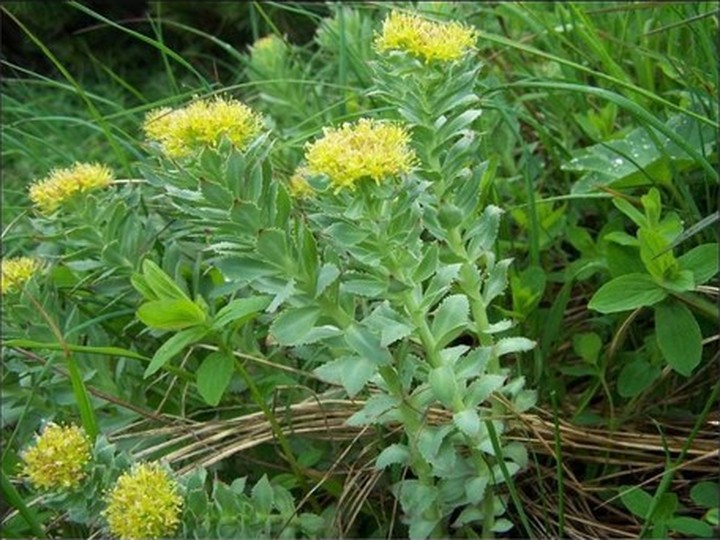
Wild Himalayan Rhodiola rosea root extract
Adaptogenic gold root from the cold desert edge of the Himalaya — verified sustainable wild-harvest required.
| Origin | Rhodiola rosea is genuinely found in the high-altitude Trans-Himalayan cold-desert zone including Ladakh, so the origin claim is directionally plausible; however, R. rosea proper is more strongly documented in northern circumpolar/Arctic ranges and parts of the Western Himalaya (Himachal Pradesh, Uttarakhand) at 4,000m+, with Ladakh-specific wild populations less commonly documented than related Rhodiola species (e.g., R. imbricata) that are more prevalent locally — species identity should be verified. Global wild R. rosea stocks are under severe collection pressure and the species is now on the IUCN Red List and was proposed for CITES Appendix II listing in 2022–2023, so 'wild' sourcing claims require documentation of legal, non-detriment harvest. |
| Indian subcontinent | Yes |
| Category | Ayurveda & Wellness Extracts |
| Retail price band | premium |
| Bulk / trade price band | premium wholesale, CITES/NDF paperwork dependent |
| Sourcing status | Dossier researched from public sources — producer contact not yet established |
| Compliance status | Preliminary review complete (see below) — not yet legally verified |
Detailed study
Rhodiola rosea is a high-altitude succulent perennial whose rose-scented rhizome contains rosavins, salidroside and tyrosol, compounds studied for adaptogenic, anti-fatigue and stress-resilience effects. Root and rhizome are typically wildcrafted at 3,500–5,000m, sun- or shade-dried, then solvent- or water-extracted and standardized to 3% rosavins / 1% salidroside for supplement use.
Provenance & producer
True wild R. rosea populations are found across circumpolar Arctic-alpine zones and high-altitude ranges including parts of the Himalaya; Ladakh's cold desert (3,000–5,500m) supports Rhodiola species harvested by local Changpa and Ladakhi communities, though careful botanical verification is needed since several congeners (R. imbricata, R. heterodonta) co-occur and are often conflated in trade. Wild collection has historically been unregulated smallholder/village-level harvest rather than organized plantation cultivation.
Market & pricing
Rhodiola is a top-selling adaptogen in the global nutraceutical and sports-nutrition market, commanding premium pricing due to slow wild growth (5–20 years to harvestable root size) and increasing supply scarcity; buyers span nutraceutical formulators, premium supplement brands and Ayurvedic/Himalayan-wellness export houses. Prices have risen sharply as wild stock has declined and cultivated alternatives from Eastern Europe/China enter the market as substitutes.
Compliance & export
Rhodiola rosea was proposed for CITES Appendix II listing (considered at CoP19/CoP20) due to unsustainable wild harvest, and it appears on national/regional red lists in parts of its range — sellers must verify current CITES status and secure non-detriment findings/export permits for any wild-collected material crossing borders. In India, wild collection from Himalayan states may require forest department NTFP permits; in destination markets it is sold as a dietary supplement under FDA DSHEA (US) or EU food-supplement/novel-food rules, requiring accurate species labeling (R. rosea vs. other Rhodiola spp.) to avoid adulteration claims.
Sources
- CITES Non-Detriment Finding case study, Rhodiola rosea
- Running out of time to smell the roseroots — threats/trade review
- Sustainable Herbs Initiative: Rhodiola Rosea
- NutraIngredients: Rhodiola added to endangered species list
Image status
A working reference photograph is in place, captured from a freely-licensed Wikimedia Commons source (File:Rhodiola rosea a2.jpg). Depicts the Rhodiola rosea plant, not specifically Ladakh provenance. Treat this as a placeholder for marketing purposes: exact licence terms should be re-verified on the Commons file page, and original producer photography is recommended before final trade use.