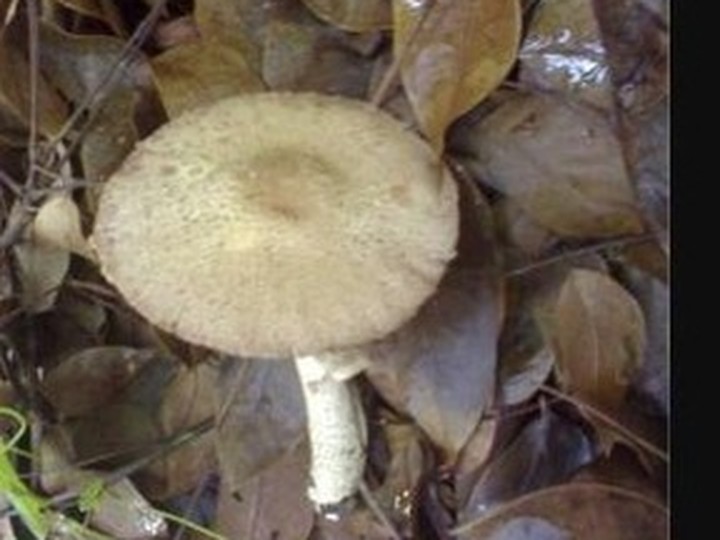
Wild Termitomyces (termite-mound mushroom), monsoon harvest
Wild Termitomyces mushrooms hand-harvested from active termite mounds during Chhattisgarh's short monsoon fruiting window, a genuine tribal-forest delicacy.
| Origin | Chhattisgarh, India |
| Indian subcontinent | Yes |
| Category | Fungi & Functional Mycology |
| Retail price band | Retail: no independently verifiable per-kg retail price was found for this specific species/region; academic surveys confirm it is sold seasonally in local haat (village) markets in Chhattisgarh/Bastar and Madhya Pradesh at a premium over cultivated button mushrooms, but hard figures should be sourced fresh each season rather than fixed — flag as a genuine research gap. |
| Bulk / trade price band | Bulk/trade: not found in reliable secondary sources; Termitomyces is overwhelmingly a informal, non-formalized NTFP (non-timber forest product) trade sold fresh in short monsoon windows, so no standing wholesale price benchmark exists — sourcing would require direct engagement with Bastar-region forest produce cooperatives (e.g. via Chhattisgarh's minor forest produce/MFP federation). |
| Sourcing status | Dossier researched from public sources — producer contact not yet established |
| Compliance status | Preliminary review complete (see below) — not yet legally verified |
Detailed study
Termitomyces is a well-documented genus of fungi in obligate mutualism with fungus-growing termites (Macrotermitinae), which cultivate the fungus on a 'fungus comb' inside the mound; the fruiting bodies (the mushrooms) emerge briefly at the mound surface after the first monsoon rains. Academic surveys of Chhattisgarh's macrofungal biodiversity (Bastar Plateau studies, Journal of Pharmacognosy and Phytochemistry) confirm multiple Termitomyces species are prized wild-edible NTFPs collected by tribal communities for both subsistence and local sale.
Provenance & producer
In Chhattisgarh, especially the Bastar plateau and surrounding sal-forest belts, Termitomyces mushrooms are traditionally collected by tribal (Adivasi) communities by carefully digging near active termite mounds within days of the monsoon's onset, a narrow and unpredictable harvest window that makes the product genuinely scarce and seasonal rather than a marketing exaggeration.
Market & pricing
Published academic sources document Termitomyces as a significant wild-edible NTFP sold in regional markets across central India (Chhattisgarh, Madhya Pradesh, Odisha) at prices above cultivated mushrooms, but this dossier could not locate a specific, current, citable per-kg price for Chhattisgarh — any price claim used in marketing should be sourced directly from current-season MFP federation or mandi data rather than stated as fixed.
Compliance & export
As a wild-collected forest food, trade is governed by state minor forest produce (MFP) rules and, for tribal-collected NTFPs, the Forest Rights Act's community collection provisions; for commercial sale, standard FSSAI food-safety norms for fresh wild fungi apply, and there is no CITES or wildlife-protection listing on Termitomyces species, but species-level misidentification risk (edible vs. toxic wild fungi) is a genuine food-safety consideration that should be disclosed.
Sources
- Study of wild edible mushrooms, Bastar Plateau (plantarchives.org)
- Biodiversity of edible/medicinal macrofungi in Chhattisgarh (ResearchGate)
- The genus Termitomyces (CREAM Journal)
- Termitomyces sale at local market, Dindori, Madhya Pradesh (ResearchGate figure)
Image status
A working reference photograph is in place, captured from a freely-licensed Wikimedia Commons source (File:Termitomyces eurhizus.jpg). On Wikimedia Commons under the file's stated free licence — confirm exact CC tag on the file page; alternative candidates include File:Termitomyces umkowaani.jpg and File:Termitomyces clypeatus 289237.jpg. Treat this as a placeholder for marketing purposes: exact licence terms should be re-verified on the Commons file page, and original producer photography is recommended before final trade use.