Trading house · est. 2026

The world's rarest, most verifiable goods — sourced to the producer, priced for the trade.

Vasundhara identifies niche products with genuine scarcity, provenance and story — led by a flagship programme in medicinal and functional fungi — and brings them to high-net-worth buyers across the developed world, direct from farmer, forager and workshop.

Browse the catalogue Partner, invest or fund
200
Catalogue slots identified
100
Indian subcontinent origin
50
Fungi & mycology (flagship)
9
Catalogue categories
Catalogue

Nine categories, one standard of verification
Flagship

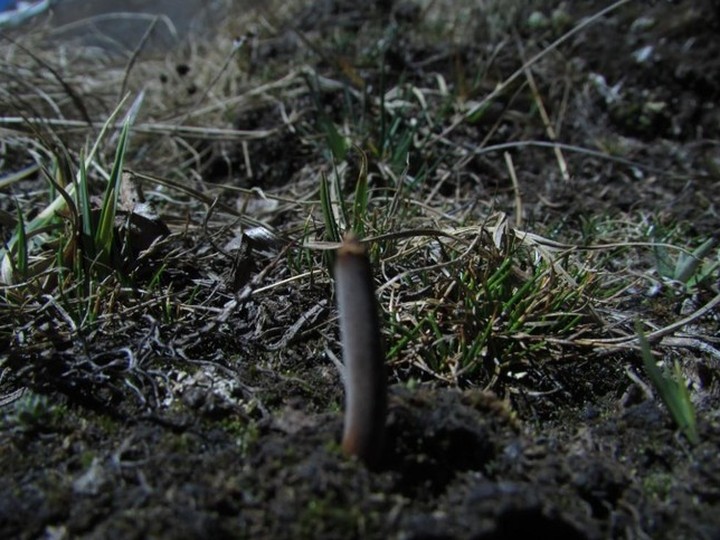
Fungi & functional mycology

View all 50

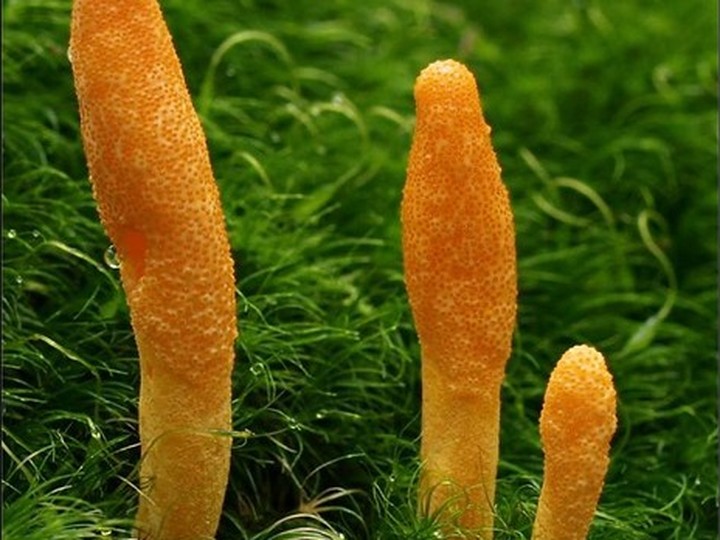
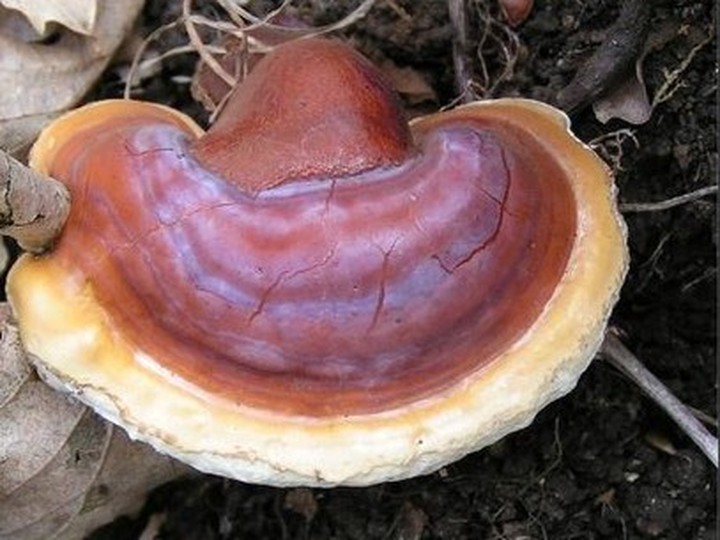
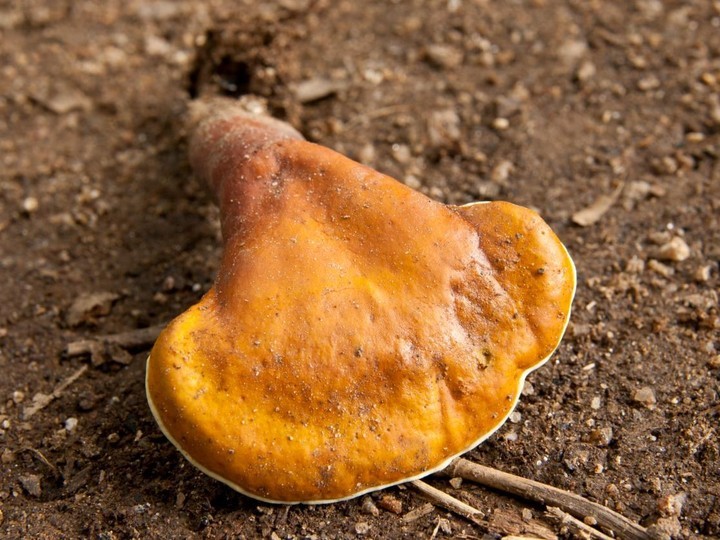
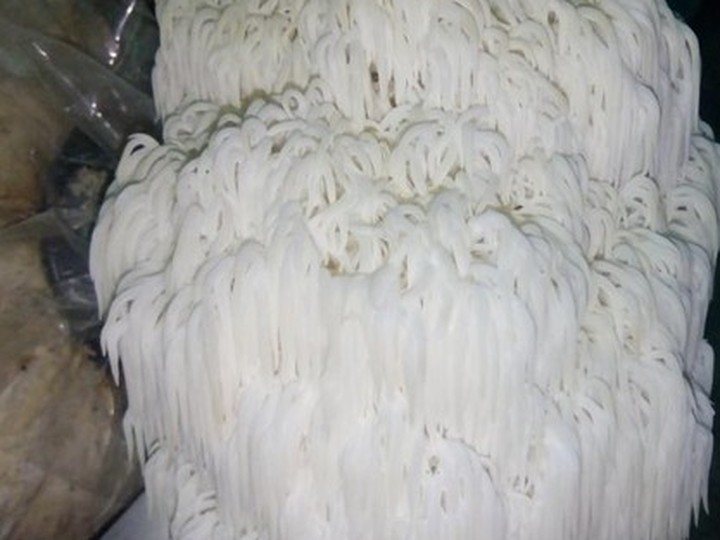
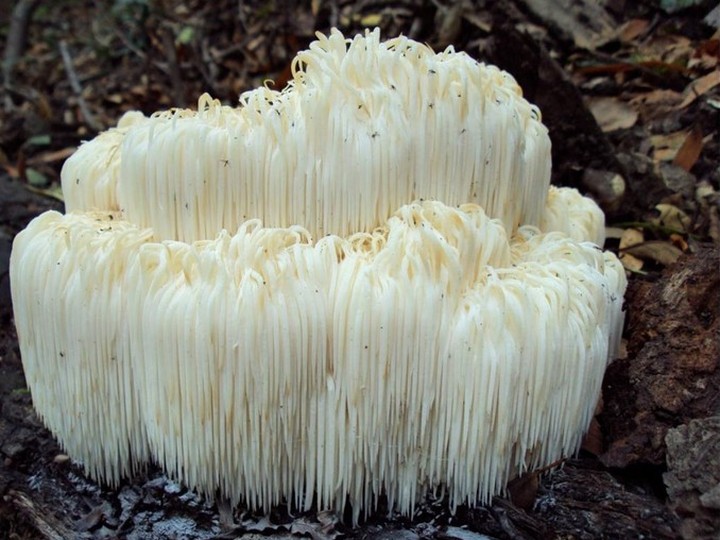
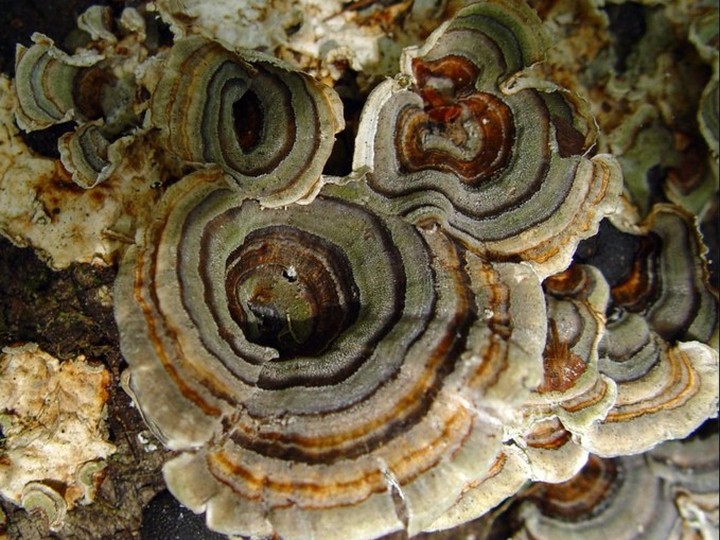
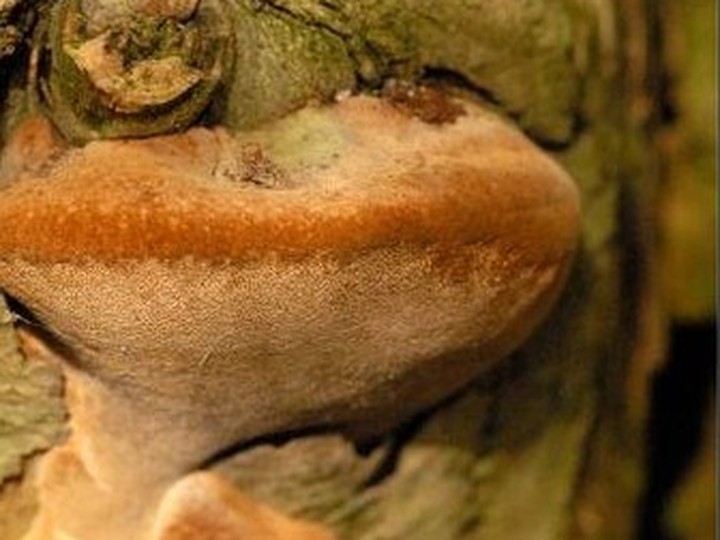
Wild and cultivated medicinal mushrooms, forest truffles, mycelium biomaterials and fungal-fermented ingredients — drawn from Himalayan forest belts, Northeast Indian biodiversity hotspots and comparable growing regions worldwide. This is the category we are researching in the greatest depth first.

The wider catalogue

A sample across categories

View full catalogue
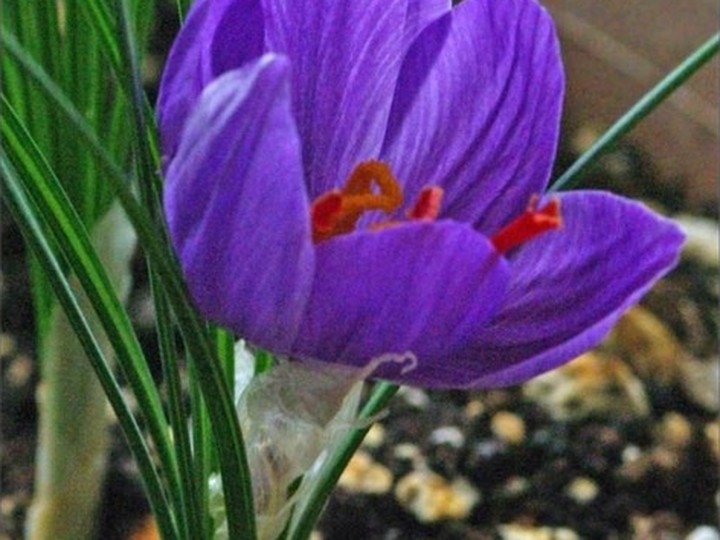
Kashmir Mongra saffron (GI-tagged)
Rare Spices, Botanicals & Teas

Kashmir Mongra saffron (GI-tagged)

Dossier researched
Pampore, Kashmir, India
Wild Nilgiri cliff honey (Apis dorsata)
Rare Spices, Botanicals & Teas

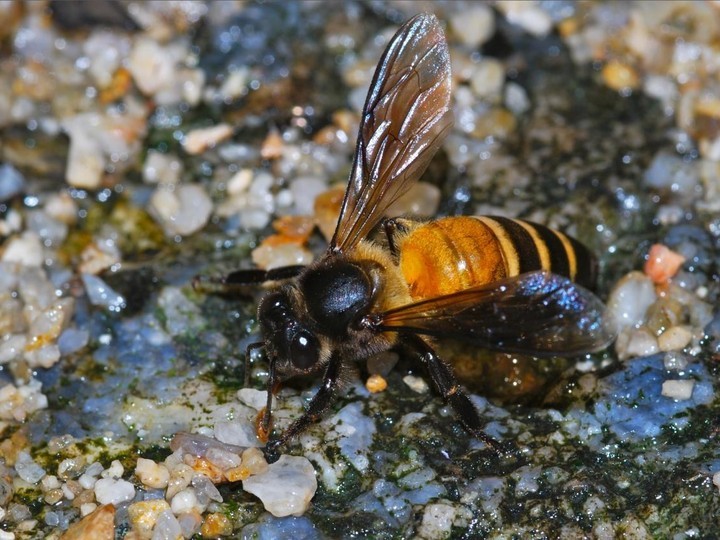
Wild Nilgiri cliff honey (Apis dorsata)

Dossier researched
Nilgiri Hills, Tamil Nadu, India
Mahua flower wild honey
Rare Spices, Botanicals & Teas

Mahua flower wild honey

Dossier researched
Bastar, Chhattisgarh, India
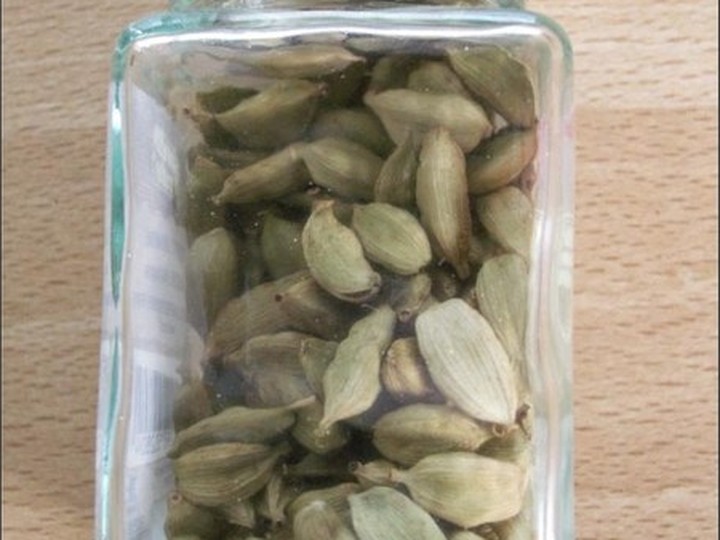
Alleppey green cardamom, estate single-origin
Rare Spices, Botanicals & Teas

Alleppey green cardamom, estate single-origin

Dossier researched
"Alleppey" (Alappuzha) is a historical trade/grading term — cardamom was traditionally auctioned and shipped for export through the Alappuzha port — not a growing region; the crop itself is cultivated in the Cardamom Hills of Idukki district (plus parts of Wayanad and adjoining Kodagu). The given origin, Idukki, Kerala, is correct for cultivation; only the product name needs the clarifying note above.
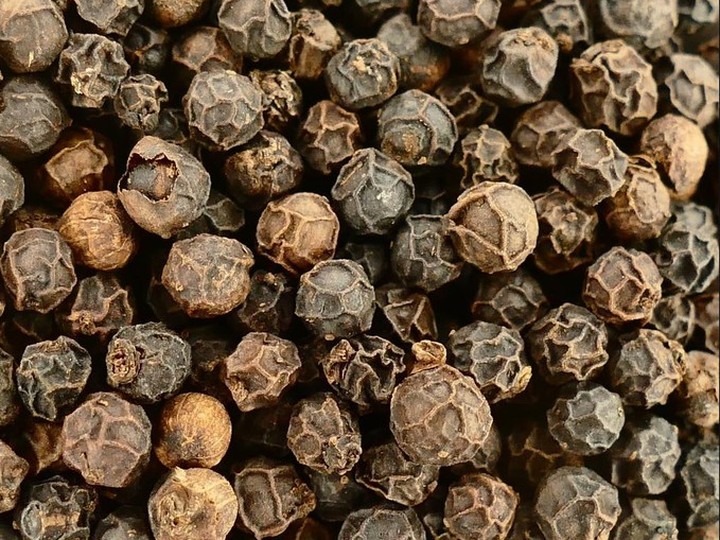
Malabar black pepper (Tellicherry grade)
Rare Spices, Botanicals & Teas

Malabar black pepper (Tellicherry grade)

Dossier researched
"Tellicherry" refers to the historic export-grading nomenclature tied to the port of Thalassery (formerly Tellicherry) in Kannur district — it denotes large, extra-bold peppercorn size grades (e.g. TGSEB), not a specific growing location. Malabar black pepper (Piper nigrum) is grown across several Kerala/Karnataka districts including Wayanad, Kannur, Kozhikode, Idukki and Kodagu; Wayanad as given is a genuine growing district but should be described as one source among several feeding the Tellicherry grading system, not the origin of the grade name itself.
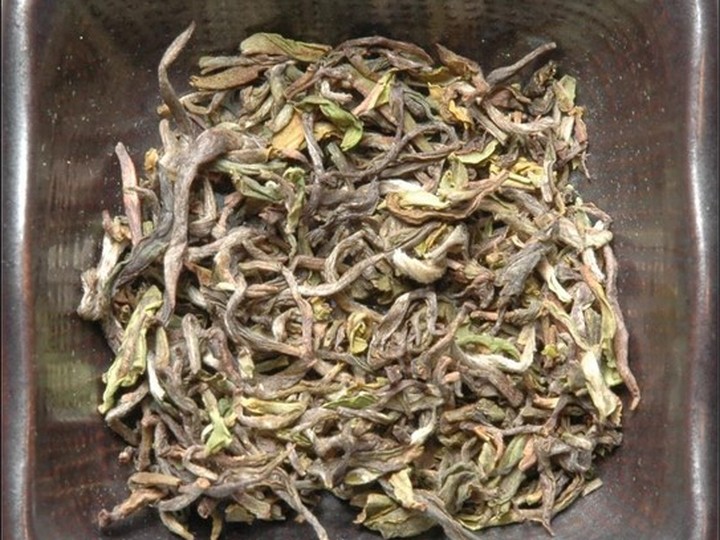
Darjeeling first-flush orthodox tea
Rare Spices, Botanicals & Teas

Darjeeling first-flush orthodox tea

Dossier researched
Darjeeling, West Bengal, India
Assam Muga-region orthodox black tea
Rare Spices, Botanicals & Teas

Assam Muga-region orthodox black tea

Dossier researched
"Muga" is not a recognized Assam tea-growing sub-region, garden name, or trade grade — it is exclusively the name of Assam's distinct wild silk (Muga silk, woven from cocoons of the semi-domesticated moth Antheraea assamensis), which is itself separately GI-tagged. No orthodox tea is marketed under 'Muga-region' nomenclature in the tea trade. This product name appears to conflate two unrelated Assamese GI products. The origin should be corrected to a genuine Assam tea-growing description, e.g. 'Upper Assam tea gardens (Dibrugarh, Tinsukia, Sivasagar districts), India,' and the product should be renamed accordingly (e.g. 'Upper Assam orthodox black tea').
Nilgiri high-grown orthodox tea
Rare Spices, Botanicals & Teas

Nilgiri high-grown orthodox tea

Dossier researched
Nilgiri Hills, Tamil Nadu, India